Table of Contents
When you’re miles from the nearest hospital with a teammate’s life hanging in the balance, the contents of your backpack suddenly become the most valuable items in the world. On-field emergencies don’t announce themselves—they strike during wilderness expeditions, sports tournaments, construction projects, or remote research missions, often in environments where professional medical help is hours away. Having the right trauma first aid capabilities isn’t just about checking a box on your safety checklist; it’s about possessing the tools and knowledge to bridge that critical gap between injury and definitive care.
Understanding what makes a trauma first aid kit truly effective for field emergencies requires looking beyond marketing claims and flashy packaging. The landscape of emergency medical equipment continues to evolve, with new technologies and treatment protocols emerging that can dramatically improve survival outcomes. Whether you’re outfitting a search and rescue team, preparing for an extended backcountry hunt, or ensuring workplace safety compliance, knowing which features matter most—and how to use them under pressure—could be the difference that saves a life when every second counts.
Top 10 Trauma First Aid Kits


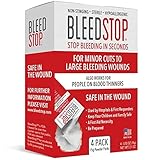


Detailed Product Reviews
Understanding Trauma First Aid Kits for Field Emergencies
What Distinguishes Trauma Kits from Standard First Aid Kits
Standard first aid kits excel at handling minor injuries—band-aids for cuts, antiseptic wipes for scrapes, and pain relievers for headaches. Trauma kits, however, serve an entirely different purpose. They’re engineered to address life-threatening injuries that can kill within minutes: severe bleeding, compromised airways, tension pneumothorax, and fractures that threaten circulation. While a basic kit might contain 100+ items for superficial wounds, a quality trauma kit focuses on fewer, more specialized tools that address the “MARCH” protocol (Massive hemorrhage, Airway, Respiration, Circulation, Hypothermia). The emphasis shifts from quantity to capability, with each component selected specifically for its potential to prevent preventable death.
Core Components Every Trauma Kit Should Contain
Every field-ready trauma kit must prioritize hemorrhage control above all else. This means commercial-grade tourniquets designed for one-handed application, hemostatic gauze impregnated with clotting agents, and compression bandages capable of maintaining pressure on deep wounds. Airway management tools should include nasopharyngeal airways in multiple sizes and chest seals for penetrating chest trauma—both vented and non-vented varieties. Additional essentials include trauma shears that can cut through leather and denim, emergency blankets to prevent hypothermia, and rigid splinting materials. The kit should also contain protective equipment like nitrile gloves and a CPR mask, ensuring you can treat victims safely while protecting yourself from bloodborne pathogens.
The Evolution of Trauma Care in Remote Settings
Field trauma management has advanced dramatically from the basic pressure-and-pray methods of decades past. Modern understanding of preventable death patterns, drawn largely from military combat casualty care, has reshaped civilian emergency protocols. The concept of “care under fire” has evolved into “direct threat care,” emphasizing rapid hemorrhage control even in dangerous environments. Freeze-dried plasma and powdered hemostatic agents now offer lightweight alternatives to traditional supplies. Vacuum-sealed packaging extends shelf life in harsh conditions, while color-coded systems help untrained bystanders provide effective assistance. These advances mean today’s trauma kits can deliver capabilities that previously required a fully stocked ambulance.
Assessing Your On-Field Emergency Needs
Identifying Risk Factors in Your Specific Environment
A rock climber facing fall trauma needs different supplies than a marine researcher dealing with shark encounters or a forester using chainsaws daily. Start by conducting a thorough risk assessment of your specific environment. Consider the most likely mechanisms of injury: penetrating trauma from tools or weapons, blunt force from falls or collisions, environmental hazards like hypothermia or heat stroke, and endemic risks such as venomous snakes. The distance to definitive care—measured in time, not miles—should directly influence your kit’s comprehensiveness. A 30-minute ambulance ride requires less extensive supplies than a 6-hour evacuation by helicopter.
Activity-Specific Requirements
High-impact sports like mountain biking or motocross demand robust splinting materials and supplies for road rash and fractures. Water-based activities require waterproof packaging and supplies that function when wet. Hunting and shooting sports necessitate enhanced bleeding control for projectile wounds. Industrial work sites might need decontamination supplies for chemical exposures alongside trauma gear. Each activity presents unique injury patterns that your kit should address. Consider creating modular add-on packs for specific activities rather than trying to build one monolithic kit that does everything poorly.
Group Size Considerations
A solo hiker’s kit can be streamlined and ultralight, focusing on self-application tools like one-handed tourniquets and easily accessible pressure bandages. Team-based activities allow for more comprehensive kits distributed among members, with specialized roles—someone carries the primary trauma supplies, another manages airway tools, a third handles medications. For every additional person in your party, multiply your hemorrhage control supplies accordingly. A single severe trauma can require multiple tourniquets and dozens of gauze packages. Plan for the worst-case scenario of one victim requiring maximum resources while still maintaining supplies for additional casualties.
Distance from Professional Medical Care
The “golden hour” concept becomes meaningless when you’re three days from the trailhead. Create tiered response plans based on evacuation times. For remote settings beyond 4 hours from care, your kit should include supplies for prolonged casualty care: additional dressings for wound changes, antibiotics for open fractures, and enhanced hypothermia prevention. Consider carrying a satellite communication device as part of your emergency system—no kit replaces the ability to call for help. The further you are from care, the more emphasis you should place on skills training, as you’ll be providing care longer and managing complications that arise during extended evacuation.
Essential Features to Evaluate
Durability and Weather Resistance
Your trauma kit will face conditions that would destroy standard medical supplies. Look for waterproof or highly water-resistant outer bags with durable zippers or roll-top closures. Internal components should be in resealable plastic bags or vacuum-sealed packaging. Consider UV resistance for desert environments and mold prevention for tropical settings. The bag material should withstand being dropped, stepped on, and stuffed into tight packs without tearing. Bright colors like red or orange aid in location during emergencies but ensure the fabric dye doesn’t bleed when wet, potentially contaminating sterile supplies.
Organization and Accessibility
During an emergency, you won’t have time to dump out a bag and sort through loose items. Quality kits feature labeled compartments, transparent windows, or color-coded systems that allow you to locate critical items by touch alone in low-light conditions. Tourniquets should be stored externally or in the most accessible pocket—never buried at the bottom. Consider how you’ll access supplies while wearing gloves or with cold, numb fingers. Some systems use tear-away panels that let you remove entire treatment modules, bringing organized supplies directly to the patient’s side rather than moving the victim to your kit.
Portability vs. Comprehensive Coverage
The eternal dilemma: a more extensive kit provides better care but may be left behind due to weight. Strike a balance based on your activity. Backpackers should look for kits under 2 pounds with vacuum-sealed components that reduce bulk. Vehicle-based kits can be substantially larger and more comprehensive. Consider a tiered approach: a minimalist personal kit for everyday carry, a medium kit for day trips, and a comprehensive team kit for basecamp. The best kit is the one you’ll actually carry, so be realistic about weight tolerance and pack space constraints.
Tourniquet Quality and Application Design
Not all tourniquets meet the same standards. Look for windlass-style tourniquets with documented effectiveness in peer-reviewed studies. Avoid cheap knockoffs that may break under stress. The tourniquet should allow for one-handed self-application, crucial for solo adventurers. Practice application on yourself to ensure you can deploy it effectively. Consider kits containing multiple tourniquets—one for the victim and a backup in case the first fails or for double amputations. The storage method matters; tourniquets should be staged for immediate deployment, not wrapped in plastic that requires scissors to open.
Hemorrhage Control Beyond Tourniquets
While tourniquets handle extremity bleeding, junctional zones (groin, armpits, neck) require different approaches. Your kit should contain hemostatic gauze that works with the body’s clotting cascade, not against it. Look for gauze that can be packed into deep wounds and maintains effectiveness even when blood-soaked. Compression bandages like pressure dressings or Israeli battle dressings provide sustained pressure without constant manual holding. Consider including a marker to record tourniquet application time—crucial information for emergency responders. Every minute counts, and accurate documentation prevents complications from prolonged tourniquet use.
Airway Management Tools and Techniques
An unconscious victim’s tongue can obstruct their airway more fatally than any external bleeding. Your kit should include nasopharyngeal airways (NPA) in multiple sizes, measured from the victim’s nostril to earlobe. Lubricant is essential for NPA insertion. For severe facial trauma, consider oropharyngeal airways as well. A manual suction device can clear vomit or blood from airways in remote settings where electric devices fail. Remember, airway tools are useless without training—practice identifying when and how to use them before an emergency strikes.
Chest Seal Technology for Penetrating Trauma
Penetrating chest wounds create a deadly one-way valve effect where air enters the chest cavity but cannot escape, collapsing lungs and stopping hearts. Modern vented chest seals allow air to escape while preventing new air entry. Look for seals with strong adhesive that works on blood-soaked, hairy skin—conditions where inferior products fail. Some kits include both entry and exit wound seals. Consider the size; larger seals cover bigger blast or shotgun wound patterns. Practice applying these on uneven surfaces like rib cages; the technique differs significantly from applying a simple bandage.
Splinting and Fracture Management Solutions
A fractured femur can hold over a liter of blood in the thigh, leading to hypovolemic shock. Your kit should contain rigid splints that can be molded to various limb shapes, or versatile SAM splints that roll compactly but provide rigid support. Include triangular bandages and cravats for sling-and-swathe techniques. For remote settings, consider traction splints for femur fractures, though these require significant training. Padding materials prevent pressure points and improve circulation. Remember, improper splinting can cause more damage than no splinting—secure joints above and below the fracture, not just the fracture site itself.
Wound Care and Infection Prevention
While trauma kits focus on immediate life threats, proper wound care prevents complications later. Include irrigation syringes to flush debris from wounds—clean water is often available, but you need a way to apply pressure. Antibiotic ointment and saline solution in single-use packets reduce infection risk. Consider closure strips for lacerations that don’t require suturing. In remote settings, add a supply of broad-spectrum antibiotics for open fractures or deep puncture wounds. The goal is stabilizing the victim for evacuation, not definitive treatment, so prioritize preventing further harm over perfect wound closure.
Training and Preparedness: The Knowledge Gap
Bridging the Gap Between Owning and Using Equipment
The most comprehensive trauma kit becomes an expensive paperweight without proper training. Studies show that untrained individuals often fail to apply tourniquets correctly even with illustrated instructions. Hemorrhage control requires practice to develop the muscle memory needed when adrenaline floods your system. Airway management tools can cause vomiting and aspiration if used improperly. Before purchasing any kit, commit to obtaining professional training. Many organizations offer wilderness medicine courses that provide hands-on practice with the same tools you’ll carry. Your training should match your environment—a desert course differs significantly from high-altitude or marine-focused programs.
Recommended Certifications for Field Emergency Response
Wilderness First Responder (WFR) certification provides 80 hours of training specifically for remote settings where evacuation is delayed. For those leading groups, Wilderness Emergency Medical Technician adds advanced skills and medications. Stop the Bleed courses offer excellent, low-cost introduction to hemorrhage control in just a few hours. Tactical Combat Casualty Care (TCCC) principles, adapted for civilian use, teach care under fire and direct threat scenarios. Consider recertifying annually; skills deteriorate without practice. Some certifications require documented continuing education, ensuring you stay current with evolving best practices. The investment in training far exceeds the value of any equipment purchase.
Practice Scenarios for Realistic Preparedness
Create realistic training scenarios that mimic your actual activities. For rock climbing, practice treating a partner while suspended on a rope. For hunting, simulate treating a gunshot wound in low-light conditions with cold hands. Time yourself applying a tourniquet with your non-dominant hand. Practice wound packing with realistic simulators that provide resistance and bleed simulation. Conduct after-action reviews of your practice sessions: what took too long, what was confusing, what failed? Rotate leadership roles so everyone in your group gains experience directing care. These stress inoculation drills reveal kit deficiencies and knowledge gaps that calm study never exposes.
Maintenance and Long-Term Readiness
Expiration Tracking and Rotation Systems
Many trauma kit components expire—hemostatic gauze loses effectiveness, medications degrade, and chest seal adhesives dry out. Create a master inventory list with expiration dates for every item. Set calendar reminders 3 months before expiration to allow replacement time. Some kits include log pockets for recording maintenance checks. Consider using a spreadsheet that tracks lot numbers and purchase dates for warranty claims. When replacing expired items, use the old supplies for training rather than discarding them—expired gauze still works for practice packing, and old tourniquets can be used for application drills. This rotation keeps your kit current while maximizing training opportunities.
Seasonal Kit Audits and Environmental Adjustments
Your summer hiking kit differs from winter backcountry ski patrol gear. Conduct quarterly audits that consider seasonal risks: hypothermia prevention in winter, heat stroke treatment in summer, snakebite supplies in certain regions. Check for moisture intrusion after wet seasons. Cold weather makes some adhesives fail and causes tourniquet components to become brittle—inspect these carefully. Heat can degrade medications and cause packaging seals to fail. After each audit, repack the kit to ensure even compression and prevent items from settling into inaccessible corners. These systematic checks transform your kit from a static purchase into a dynamic preparedness system.
Restocking Strategies After Use or Training
Never replace used supplies with inferior alternatives just because they’re cheaper. If you used a commercial-grade tourniquet, replace it with the same model. Maintain a relationship with reputable medical supply companies that offer individual component sales rather than forcing you to buy entirely new kits. Some organizations offer subscription services that automatically send replacement items as they expire. After any real-world use, conduct a thorough debrief: what worked, what didn’t, what was missing? Use these lessons to refine your kit contents. Document what you used for liability purposes and to inform future purchasing decisions.
Legal and Liability Considerations
Understanding Good Samaritan Protections
Most jurisdictions protect individuals who render emergency aid in good faith, but protections vary significantly. Good Samaritan laws typically don’t cover gross negligence or actions beyond your training level. Carrying advanced medical equipment doesn’t obligate you to use it, but using it improperly can create liability. Some states require specific certifications to use certain devices like tourniquets or NPAs. Research your local laws, especially when traveling across state or national borders. Consider obtaining professional liability insurance if you regularly lead groups. Document your training credentials and keep them accessible—your certification card may be as important as your equipment in legal proceedings.
Workplace Requirements and OSHA Compliance
Employers have legal obligations to provide appropriate first aid supplies based on workplace hazards. OSHA guidelines specify that remote worksites may require more extensive supplies and training. Simply purchasing a trauma kit doesn’t satisfy compliance—you must also ensure adequate numbers of trained responders relative to workforce size. Document risk assessments that justify your kit selection. For high-hazard industries like logging or construction, consider consulting with an occupational health physician to design your trauma response system. Failure to provide adequate emergency preparedness can result in significant fines and criminal liability if an employee dies from a treatable injury.
Documentation Best Practices for Emergency Incidents
In the chaos of an emergency, documentation seems trivial, but it’s crucial for continuity of care and legal protection. Record tourniquet application times, medications administered, and the victim’s condition changes. Waterproof notebooks or laminated cards with markers should be part of your kit. Photograph injuries (with consent) if possible for hospital handoff. Keep a copy of your incident report for your records. If you’re a designated medical officer for an organization, maintain logs separate from personal medical information to comply with privacy laws. Proper documentation demonstrates due diligence and can protect you from liability claims while ensuring the victim receives appropriate follow-up care.
Frequently Asked Questions
What is the difference between a trauma kit and a standard first aid kit?
Trauma kits specifically address life-threatening injuries like severe bleeding, airway obstruction, and chest trauma that can cause death within minutes. Standard first aid kits primarily handle minor injuries such as cuts, scrapes, and sprains. Trauma kits contain specialized tools like tourniquets, hemostatic gauze, and chest seals, while standard kits have bandages, antiseptic wipes, and pain relievers. For field emergencies where professional help is delayed, trauma kits are essential while standard kits serve as useful supplements for minor issues.
How do I choose the right size trauma kit for my activity?
Consider three factors: group size, distance from medical care, and specific activity risks. Solo hikers need minimalist kits under 2 pounds focusing on self-application tools. Groups can distribute larger, more comprehensive kits among members. Activities more than 4 hours from care require extended-care supplies. High-risk pursuits like rock climbing or hunting need specialized components for their most likely injury patterns. The key is matching kit capabilities to realistic scenarios you’ll face, not carrying unnecessary weight that causes you to leave the kit behind.
Do I need special training to use a trauma first aid kit effectively?
Absolutely. Without proper training, advanced medical tools can cause more harm than good. Hemorrhage control requires practice to develop muscle memory for high-stress situations. Airway management tools need precise technique to avoid complications. At minimum, take a Stop the Bleed course for hemorrhage control basics. For remote settings, Wilderness First Responder (80 hours) provides comprehensive training. Tactical Combat Casualty Care courses teach care-under-fire principles. Training should be renewed annually, as skills deteriorate without practice. Your kit is only as effective as your ability to use it correctly.
How often should I check and maintain my trauma kit?
Conduct thorough inspections quarterly and quick checks before each outing. Quarterly audits should include checking expiration dates on all medical supplies, testing packaging integrity, and verifying equipment function (e.g., tourniquet windlass operation). Replace expired items immediately—set calendar reminders 3 months before expiration dates. After any exposure to moisture, extreme temperatures, or rough handling, inspect for damage. Repack kits after each inspection to ensure items remain accessible. Keep a maintenance log documenting each check, what was replaced, and any environmental factors affecting the kit.
Can I build my own trauma kit or should I buy a pre-assembled one?
Both approaches work, but pre-assembled kits from reputable medical suppliers ensure compatibility and proper staging. Building your own allows customization for specific needs but requires deep product knowledge to avoid counterfeit or substandard components. Many professionals recommend starting with a quality base kit from a trusted supplier, then adding activity-specific modules. This ensures core items are properly packaged and accessible while allowing personalization. If building from scratch, source components directly from medical supply companies, not consumer retailers, to ensure clinical-grade quality.
What are the absolute minimum items for a field trauma kit?
The critical “Big Three” are: a proven tourniquet for extremity bleeding, hemostatic gauze for junctional wounds, and a vented chest seal for penetrating chest trauma. Add trauma shears, gloves, and a marker for documenting care. This minimal kit addresses the most common causes of preventable death. However, this bare-bones approach assumes you’ll evacuate quickly to definitive care. For true remote work, expand to include airway adjuncts, compression bandages, splinting materials, and hypothermia prevention. The minimum should match your risk assessment, not arbitrary item counts.
How do I practice using trauma kit equipment without wasting supplies?
Use expired supplies for practice—tourniquets beyond their service life still teach application technique, and old gauze works for wound packing drills. Many manufacturers sell training versions of their products at reduced cost. Create realistic scenarios using simulated blood and wound simulators that provide tactile feedback. Practice on yourself for self-application skills (tourniquets, wound packing). Train with partners to simulate treating others. After practice, carefully repack any unused supplies if packaging remains intact. The investment in training materials pays dividends when real emergencies occur and your responses become automatic.
Are there legal risks in using a trauma kit on someone?
Good Samaritan laws in most jurisdictions protect those rendering emergency aid in good faith, but protections vary. Using equipment beyond your training level can create liability. Some jurisdictions restrict certain devices without specific certifications. Document your training and act within its scope. For workplace settings, ensure compliance with OSHA requirements for responder training ratios. Consider professional liability insurance if you regularly lead groups. Proper documentation of care provided demonstrates due diligence. While legal risks exist, the ethical imperative to save a life typically outweighs them—just ensure your skills match your kit’s capabilities.
What should I do with expired items from my trauma kit?
Never dispose of expired medical supplies in regular trash—some components are considered biohazardous waste. Contact local pharmacies or medical facilities about safe disposal programs. However, before discarding, use expired items for training. Expired hemostatic gauze still teaches wound packing technique. Old tourniquets work for practice application. Expired chest seals can demonstrate placement technique. This maximizes value while keeping your active kit current. For medications, strict disposal protocols apply—never flush them. Many communities offer pharmaceutical take-back programs. Document expiration and disposal for controlled substances if applicable.
How do I introduce trauma kits and training to my team or family?
Start with a frank discussion about the specific risks of your activities and the reality of delayed medical care in your environments. Demonstrate kit contents and explain each item’s purpose in non-technical terms. Schedule a group training session with a certified instructor—shared training ensures everyone understands their role during emergencies. Practice scenarios together to build team coordination. Assign specific responsibilities (who calls for help, who retrieves the kit, who treats which injuries). Store kits in accessible, known locations. Make training recurring, not a one-time event. When everyone understands the “why,” they’re more likely to remember the “how” when it matters most.
See Also
- We Tested 50 Sports First Aid Kits - Here are the 10 Best for Field Emergencies
- 10 Best Sports First Aid Kits for Outdoor Field Emergencies This Year
- 10 Expert-Recommended Portable First Aid Kits for Sports for Field Use in 2026
- 10 Top-Rated Trauma First Aid Kits According to Sports Medical Experts in 2026
- We Tested 50 First Aid Kits for Sports - Here are the 10 Best for Field Use