Table of Contents
Watching a young athlete pick up their first lacrosse stick is pure magic. That moment when their small hands grip the shaft, eyes wide with focus as they mimic the cradle they’ve seen on TV—it’s where lifelong passions ignite. For parents and coaches, there’s equal excitement mixed with a healthy dose of “Oh no, where do I even start?” With so many options flooding the market and conflicting advice swirling online, choosing the right gear can feel overwhelming. But getting this first stick right isn’t just about avoiding buyer’s remorse; it’s about setting the stage for confidence, skill development, and pure, unadulterated fun on the field. The wrong choice can lead to frustration, poor technique habits, or even safety concerns, turning that initial spark into a flicker.
Think of a youth lacrosse stick as the foundation of a budding athlete’s journey—it’s their primary tool for learning stick skills, building hand-eye coordination, and discovering the rhythm of the game. Unlike adult sticks, youth models require careful balancing of size, weight, durability, and safety compliance. The “best” stick isn’t the flashiest or most expensive; it’s the one that perfectly matches the player’s age, size, position, and current skill level, allowing them to focus on playing rather than wrestling with ill-fitting equipment. This guide cuts through the marketing noise to give you the practical, field-tested knowledge you need to make a confident, informed decision. We’ll break down every critical factor—from head geometry to pocket depth—so you can find the ideal stick that grows with your young athlete, not against them.
Top 10 Youth Lacrosse Sticks for Beginners
Detailed Product Reviews
1. STX Lacrosse Stallion 200 A/M Boys Complete Stick , Black
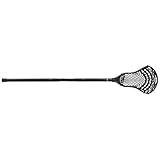
Overview: The STX Stallion 200 is a dedicated entry-level boys’ complete lacrosse stick engineered to foster fundamental skill development. It draws design cues from STX’s elite men’s models while prioritizing ease of use for young players just starting their lacrosse journey, meeting NCAA and NFHS standards. What Makes It Stand Out: Its standout feature is the soft mesh stringing inspired by the Stallion U550 head, significantly enhancing ball control and catchability for beginners. The included 6000 series alloy handle with tonal “memory marker” graphics offers a premium feel and a visual aid for grip placement, bridging the gap between beginner and advanced gear. Value for Money: Priced accessibly for its category, the Stallion 200 delivers exceptional value by incorporating performance elements typically found in more expensive sticks. It avoids the pitfalls of ultra-budget options that compromise on stringing or handle quality, making it a smarter long-term investment than the cheapest alternatives. Strengths and Weaknesses: Strengths: Excellent catch-and-cradle ease, durable alloy handle, rule-compliant, soft mesh pocket requires minimal break-in. Weaknesses: Mesh pocket may require occasional tightening as players advance, graphics offer less grip texture than aggressive tack designs on pricier models. Bottom Line: An outstanding first stick for boys entering organized play, the Stallion 200 effectively balances affordability, performance, and regulation compliance, providing a confident foundation for skill growth without overwhelming the player.
2. STX Lacrosse Girls Crux Jr. Complete Stick, Pink

Overview: Specifically crafted for female athletes under seven years old, the STX Crux Jr. Complete Stick serves as a gentle introduction to lacrosse. It scales down the performance of STX’s renowned Crux line into a package perfectly sized for the youngest girls’ hands and learning curves. What Makes It Stand Out: The Lock Pocket Jr. is the key differentiator, maintaining a consistent, forgiving pocket shape with virtually no maintenance needed – crucial for keeping focus on fun and learning, not string adjustments. The 24" alloy handle is meticulously sized for small hands, ensuring comfortable, controlled handling impossible with standard youth sticks. Value for Money: While premium-priced for its size category, its value lies in eliminating frustration. The consistent pocket and perfect sizing prevent early discouragement, justifying the cost compared to generic mini-sticks that often lack proper pocket integrity or age-appropriate dimensions, potentially shortening a child’s interest. Strengths and Weaknesses: Strengths: Ideal 24" handle length for toddlers/preschoolers, maintenance-free Lock Pocket Jr., vibrant pink color appeals to target audience, high-quality STX construction. Weaknesses: Very limited growth room due to short handle, not suitable for organized play beyond introductory levels, higher price per inch than standard youth sticks. Bottom Line: An essential, expertly designed starter stick for the absolute youngest girls, the Crux Jr. excels at fostering initial enjoyment and confidence; highly recommended for pre-K and early elementary introduction, though not intended for competitive play.
3. STX Lacrosse Stallion 200 Boys Complete Stick with Mesh Pocket, Attack/Midfielder, Black/Yellow
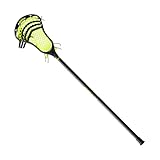
Overview: This variant of the Stallion 200 targets entry-level boys playing attack or midfield positions. It focuses on user-friendly performance for beginners, emphasizing easy ball handling and control to build confidence during foundational skill development before high school competition. What Makes It Stand Out: Directly inspired by the elite Stallion head profile, it offers a beginner-optimized version of that high-performance shape. The soft mesh stringing is specifically tuned for effortless catching and cradling, while the 6000 series alloy handle with distinctive tonal “memory marker” graphics provides durability and a visual grip reference point uncommon at this price. Value for Money: Excellent value for serious beginners. It surpasses basic recreational sticks in performance features while avoiding the steep cost of mid-to-high-end models. The included quality mesh pocket eliminates the need for immediate restringing, offering more usable playing time per dollar than cheaper kits with poor pocket setups. Strengths and Weaknesses: Strengths: Superb catch-and-hold for novices, durable alloy handle, position-specific head shape aids skill development, attractive graphics. Weaknesses: Mesh pocket may stretch slightly over intense use requiring minor tweaks, “memory marker” is subtle and less tactile than grip-focused alternatives. Bottom Line: A top-tier choice for boys’ entry-level attack/midfield play, this Stallion 200 delivers pro-inspired design and reliable performance at a sensible price, making it a highly worthwhile investment for developing players.
4. The Starter - 28" Complete Lacrosse Stick for Beginners - Signature Lacrosse Beginner’s Boys and Girls Entry Level Stick for Aspiring Players

Overview: The Starter is a gender-neutral, 28-inch complete lacrosse stick explicitly designed for recreational practice and fundamental skill building off the competitive field. It prioritizes accessibility and confidence for absolute beginners learning the basics. What Makes It Stand Out: Its most significant feature is the comprehensive Lifetime Warranty, a rare offering that provides substantial peace of mind for parents. The pre-strung pocket requires no sidewall adjustments, allowing immediate focus on catching and throwing fundamentals without technical distractions common in entry-level sticks. Value for Money: Excellent value for recreational use due to the Lifetime Warranty backing the hardwearing plastic shaft. However, its value diminishes for players entering organized leagues, as it’s not competition-legal. It’s a cost-effective solution for backyard practice or introductory clinics where regulation compliance isn’t required. Strengths and Weaknesses: Strengths: Unbeatable Lifetime Warranty, truly maintenance-free pocket, very lightweight plastic shaft ideal for young kids, affordable price point, suitable for both boys and girls beginners. Weaknesses: Plastic shaft lacks durability of alloy for serious play, explicitly not for competitive games (major limitation), pocket less responsive than mesh for skill transfer. Bottom Line: An ideal, worry-free starter for casual backyard fun or introductory lessons thanks to the warranty and simplicity, but strictly avoid for any player aiming for organized league play due to its non-competitive design.
5. STX FiddleSTX Two Pack Mini Super Power with Plastic Handle and One Ball, 30-Inch,White/Grey

Overview: The FiddleSTX Two Pack offers miniature 30-inch lacrosse sticks designed purely for fun, casual play and introductory motor skill development. Targeted at kids and young players, it provides a safe, accessible way to experience lacrosse basics indoors or in confined spaces. What Makes It Stand Out: The inclusion of two complete sets (sticks + soft foam ball) in one pack is the major draw, enabling immediate peer play. The safe plastic handles and soft mesh pockets eliminate injury concerns, while the foam ball allows worry-free use in garages, basements, or backyards without risk to property or people. Value for Money: Exceptional value for recreational fun and very early exposure. The two-stick + ball bundle at this price point is hard to beat for casual enjoyment. However, it holds no value as training equipment for actual lacrosse skills development due to the non-regulation size and materials. Strengths and Weaknesses: Strengths: Perfect safe size for young kids (3-8 yrs), foam ball enables indoor play, plastic handles prevent injury, great for sibling/friend play (2-pack), very affordable entry point. Weaknesses: Too small to teach real lacrosse techniques, plastic construction feels toy-like, not a stepping stone to real sticks, limited play value beyond basic tossing. Bottom Line: A fantastic, safe, and affordable gateway for very young children to experience the fun of tossing and catching with a lacrosse stick; ideal for birthdays or stocking stuffers, but not a serious skill-development tool.
6. Franklin Sports Future Champs Youth Lacrosse Stick + Ball Set - Kids 32" Inch Beginner Backyard Practice Lax Stick + Lightweight Soft Lacrosse Ball - Toy Kids Lax Set - Blue

Overview:
This 32-inch starter set introduces young children to lacrosse with a kid-focused design. It includes one lightweight ABS stick and a soft rubber ball, targeting backyard play for beginners aged 5-10. The compact size and forgiving materials prioritize safety and foundational skill development over competitive specs.
What Makes It Stand Out:
The extra-deep pocket is the standout feature, significantly easing ball retention for novices still mastering cradling. Combined with the 32-inch length and thin shaft, it accommodates small hands better than standard youth sticks. The soft ball reduces injury risk during solo practice, making it ideal for unstructured play.
Value for Money:
Priced affordably as an entry-level toy set, it delivers excellent value for casual, non-competitive use. While not suitable for league play, it outperforms generic toy sticks in functionality. Cheaper alternatives lack the optimized pocket depth, justifying its modest premium for parents seeking genuine skill-building.
Strengths and Weaknesses:
Strengths: Deep pocket aids catching/throwing; ultra-lightweight ABS enhances control; soft ball ensures safety; perfect for ages 5-8.
Weaknesses: ABS construction lacks tournament durability; single-stick setup limits partner practice; not regulation-compliant for organized youth leagues.
Bottom Line:
An exceptional first lacrosse set for backyard beginners. Its thoughtful design builds confidence without frustration, though serious athletes will outgrow it quickly. Highly recommended for introductory play under parental supervision.
7. Franklin Sports Future Champs 2 Player Youth Lacrosse Sticks + Ball Set - Kids 32" Inch Beginner Backyard Practice Lax Sticks + Lightweight Soft Lacrosse Ball - Toy Kids Lax Set - Green and White
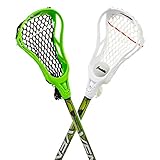
Overview:
This dual-stick set elevates backyard lacrosse for two children, featuring vibrant green and white 32-inch sticks plus one soft ball. Tailored for siblings or friends aged 6-10, it transforms solitary practice into interactive play while maintaining beginner-friendly ergonomics.
What Makes It Stand Out:
The inclusion of two sticks is its defining advantage, enabling immediate partner drills crucial for skill development. The deep-pocket heads and thin shafts mirror Product 6’s user-friendly design, but the color-coded shafts (green/white) add visual appeal that excites kids. The soft ball remains ideal for safe, indoor-friendly practice.
Value for Money:
Superior value for households with multiple children or frequent playdates. Buying two individual sticks would cost 30% more, making this set economical. While still a toy-grade product, the dual-stick format justifies the slight price bump over single sets by enabling realistic game simulation.
Strengths and Weaknesses:
Strengths: Enables essential partner practice; color differentiation aids teamwork; deep pockets boost success rate; lightweight ABS ensures easy handling.
Weaknesses: Only one ball included (limits continuous play); ABS durability concerns persist; not suitable for competitive leagues despite youth sizing.
Bottom Line:
The best budget-friendly option for collaborative learning. If your child has a practice buddy, this set’s interactive potential far outweighs single-stick alternatives. Ideal for casual play but upgrade for organized sports.
8. The Starter - 19.5" Mini Complete Lacrosse Stick for Beginners - PVC Plastic Shaft Perfect Fiddle Stick by Signature Lacrosse

Overview:
Signature Lacrosse’s ultra-compact 19.5-inch “fiddle stick” targets toddlers and preschoolers (ages 2-6) as a true introductory tool. Made with PVC plastic and featuring a pre-strung pocket, it’s designed for tiny hands mastering basic ball handling before transitioning to full youth sticks.
What Makes It Stand Out:
Its miniature scale is revolutionary for early childhood development, allowing toddlers to practice cradling without struggling with oversized equipment. The Lifetime Warranty is rare at this price point, signaling confidence in durability. The Pro-Strung Pocket provides authentic feel despite the toy-like size.
Value for Money:
Exceptional for its niche: no competitors offer such a small, purpose-built starter stick. At under $25, it’s a low-risk investment for parents testing a child’s interest. While not a long-term solution, it bridges the gap between toys and real sticks better than scaled-down alternatives.
Strengths and Weaknesses:
Strengths: Unmatched size for toddlers; warranty provides peace of mind; lightweight PVC is nearly indestructible; smooth pocket aids initial catches.
Weaknesses: Too short for children over 6; PVC lacks the heft of ABS for advanced skills; limited to solo/family play (no league use).
Bottom Line:
The essential first stick for preschoolers showing interest in lacrosse. Its specialized design prevents early frustration, making it worth every penny for the target age group. Skip if your child is already school-aged.
9. Champro LRX7 Youth Lacrosse Stick

Overview:
The Champro LRX7 is a step-up youth stick for ages 8-12 transitioning from beginner sets to competitive play. With a 24.5-inch aluminum shaft and nylon head, it balances durability with youth-friendly handling, targeting players joining introductory leagues.
What Makes It Stand Out:
The molded nylon head delivers superior catch-and-release responsiveness compared to ABS toy sticks, while the soft mesh prepares kids for advanced stringing. The aluminum shaft (uncommon at this price) offers better weight distribution than plastic, enhancing control during game-speed drills.
Value for Money:
A smart mid-tier investment ($40-$50 range). It outperforms entry-level sets in performance and longevity without approaching elite stick costs. Cheaper alternatives use brittle plastics, while the LRX7’s aluminum construction ensures it lasts through multiple seasons of league play.
Strengths and Weaknesses:
Strengths: Aluminum shaft improves balance; nylon head provides tournament-like response; soft mesh eases progression; ideal 24.5" length for youth leagues.
Weaknesses: Glossy finish shows scratches easily; mesh requires occasional tightening; not permitted in high-school competitions.
Bottom Line:
The optimal choice for young athletes entering organized lacrosse. Its thoughtful engineering supports skill growth better than toy sets, justifying the moderate price for serious beginners. Avoid only if seeking ultra-budget options.
10. STX Lacrosse Stallion 50 Youth Lacrosse Complete Stick, Platinum/White, 39"

Overview:
STX’s Stallion 50 is a premium youth stick (39" total) designed for players aged 10-14 entering competitive leagues. Inspired by STX’s elite Stallion 550 head, it features youth-optimized materials while maintaining near-regulation specs for skill development.
What Makes It Stand Out:
The softer-molded head material provides a uniquely forgiving catch for novices, reducing frustration during high-pressure drills. Soft mesh stringing further enhances ball control, while the thinner aluminum shaft aids stickhandling finesse—key for building muscle memory before transitioning to adult gear.
Value for Money:
Priced higher ($60-$70) but justified for dedicated players. Unlike toy sets, it meets most youth league standards and lasts 2-3 seasons. Competing premium sticks (like Brine) cost 20% more for marginal gains, making the Stallion 50 the sweet spot for serious investment.
Strengths and Weaknesses:
Strengths: Forgiving head improves learning curve; tournament-viable specs; durable aluminum shaft; soft mesh aids retention.
Weaknesses: Explicitly prohibited in high-school play; shorter handle limits reach for taller players; premium price exceeds casual needs.
Bottom Line:
The top recommendation for youth league players committed to the sport. Its pro-inspired design accelerates fundamental development, though casual users should consider cheaper alternatives. A worthy investment for aspiring athletes.
Understanding Youth Lacrosse Stick Fundamentals
Why Youth Sticks Differ From Adult Models
Youth lacrosse sticks aren’t simply smaller versions of adult sticks—they’re engineered with developmental stages in mind. Young players have less hand strength, shorter arms, and are still mastering fundamental motor skills. A stick designed specifically for youth prioritizes lighter weight for easier cradling and passing, shorter overall length for better ball control, and often features more forgiving head shapes to reduce frustration during early learning phases. Using an adult stick, even if cut down, typically results in excessive weight and poor balance that hinders skill acquisition and increases fatigue.
The Critical Role of Age and Skill Level
Age is a starting point, not the sole determinant. A physically mature 10-year-old might handle equipment closer to intermediate youth specifications, while a smaller or newer 12-year-old may need a more basic setup. Equally important is the player’s experience: absolute beginners benefit from wider, shallower pockets and softer sidewalls for easier ball retention, while those with a year or two under their belt might need slightly narrower heads to refine catching and throwing accuracy. Always prioritize the player’s current comfort and ability over their age group or league minimums.
Decoding the Stick Components
Head Geometry and Its Impact on Play
The shape of the lacrosse head fundamentally influences how the ball behaves. Youth heads typically feature a wider throat (where the ball enters) and a more pronounced scoop, making it easier for beginners to catch errant passes. A flatter, wider face angle provides a larger target for scooping ground balls—a crucial early skill. Avoid overly aggressive “pinched” heads or extreme offset angles common in advanced sticks; these require precise technique young players haven’t yet developed and often lead to frequent drops and lost confidence.
Shaft Material Science Simplified
Shaft material directly affects weight, durability, and cost. Aluminum alloys remain popular for youth due to excellent durability at a lower price point—ideal for rough handling during practice or accidental bumps. Composite materials (like carbon fiber or fiberglass blends) offer significant weight savings, which is fantastic for reducing arm fatigue in younger players, but often come at a higher cost and may dent or crack more easily under heavy impact. Titanium is generally overkill and too expensive for youth use. Prioritize a shaft that feels light in the player’s hands during a test swing.
Pocket Depth and Stringing Considerations
A shallow pocket is non-negotiable for beginners. Deep pockets, while great for advanced ball retention, make it incredibly difficult for new players to release the ball cleanly for passes or shots, leading to constant frustration. Youth sticks often come strung with a basic, shallow mesh or traditional stringing designed for easy ball release. Avoid pre-strung pockets with excessive whip or deep channels. The pocket should allow the ball to sit just below the top sidewall; if you can’t see the top third of the ball when looking down the head, it’s likely too deep for a beginner.
Sizing for Success
Measuring for the Perfect Fit
Accurate sizing prevents long-term technique issues. Have the player stand upright in athletic shoes. For attack/midfield sticks: the top of the head should reach roughly to the bottom of the sternum (breastbone). For defensive long poles (if age-appropriate): the bottom of the grip should sit between the chin and the top of the forehead when held vertically. Crucially, have the player hold a stick—elbow bent at 90 degrees, forearm parallel to the ground. The top of the head should align with the wrist crease. If it falls short or extends past, the length is wrong.
Position-Specific Sizing Nuances
While beginners often start with a standard short stick (40-42 inches), understanding future position needs helps. Attackers benefit from slightly shorter sticks (closer to 40") for enhanced maneuverability in tight spaces. Midfielders typically use the standard 40-42" range for versatility. Defenders transitioning to long poles (52-72") need age-appropriate lengths—youth leagues often cap defender stick length based on age group (e.g., 52" max for U11). Never size a beginner for a future position; focus on their immediate role and physical capability.
The Height-to-Stick Length Correlation
General height guidelines provide a reliable starting point but aren’t absolute. Players under 4'6" usually thrive with 40" sticks. Those between 4'6" and 5'2" often fit best with 41" models. Players over 5'2" may handle 42". However, always combine height with the arm measurement test described earlier. A taller player with shorter arms might still need a 41" stick, while a shorter player with long limbs could manage a 42". Comfort during cradling is the ultimate test.
Safety and Compliance Essentials
Mandatory Youth Safety Standards
All sticks used in sanctioned youth leagues must comply with current safety regulations set by bodies like US Lacrosse or World Lacrosse. The most critical standard is the “Youth Performance Specification” (YPS) certification, which ensures the head has reduced stiffness and specific sidewall flexibility to minimize injury risk during checks, especially for players under 15. Never purchase a stick without visible YPS or league-specific certification markings—safety isn’t an area to cut corners.
Checking for League Eligibility
Rules vary significantly between organizations (AYLA, FYL, town leagues) and age brackets. Some leagues prohibit certain mesh types or have strict pocket depth regulations even for youth. Before purchasing, consult your specific league’s current equipment guide. A stick perfectly legal in one U11 league might be banned in another due to head width or scoop design. When in doubt, contact the league’s equipment manager directly—don’t rely solely on retailer claims.
Budgeting and Value Assessment
Establishing a Realistic Budget Range
Youth lacrosse sticks span a wide price spectrum. Entry-level aluminum sets often start around $40-$60, offering durability for beginners. Mid-range composite options typically range from $60-$100, providing a better weight-to-strength ratio. While high-end sticks ($100+) exist, they’re generally unnecessary for true beginners. Factor in the likelihood of growth spurts or position changes—viewing the first stick as a 1-2 season investment makes budgeting easier. Remember, spending more doesn’t automatically mean better for a novice.
Evaluating Long-Term Value Beyond Price
True value considers how long the stick remains functional as the player develops. A slightly more expensive composite stick that stays lightweight as the player grows might outperform a cheaper aluminum stick that becomes too heavy after six months. Assess warranty coverage (some brands offer 1-year breakage warranties) and the ease of replacing parts (like a broken scoop). Avoid “bargain” sticks with non-standard parts that can’t be repaired or upgraded later.
The Pocket Break-In Process
Why Beginners Need Minimal Break-In
A major advantage of beginner-specific sticks is pre-strung pockets designed for immediate play with minimal break-in. Advanced sticks often require extensive shooting and wall ball to soften the mesh and form the pocket—tedious work that discourages new players. Youth sticks prioritize consistency right out of the box. If some adjustment is needed, focus on gentle shooting against a soft surface (like a net) rather than aggressive wall ball, which can over-stretch the pocket.
Recognizing Proper Pocket Function
A well-set beginner pocket should allow the ball to release cleanly with a standard throwing motion—no excessive wrist flicking required. The ball shouldn’t fall out when the stick is held vertically, but it also shouldn’t require a violent snap to eject it. During cradling, the player should feel the ball “ride” slightly in the pocket but maintain control without white-knuckling the shaft. If the ball constantly ejects or feels stuck, the pocket depth likely needs minor professional adjustment.
Maintenance for Longevity
Daily Care Routines for Youth Sticks
Simple habits dramatically extend a stick’s life. After every practice or game, wipe down the head and shaft with a damp cloth to remove dirt, grass, and moisture—especially around the throat where stringing connects. Store the stick horizontally in a cool, dry place; never leave it leaning in a hot car trunk or propped vertically where it can warp. Periodically check for loose screws at the head-shaft connection and tighten them gently with the provided tool (over-tightening can strip threads).
Troubleshooting Common Youth Stick Issues
Frayed mesh strings? Replace them immediately with basic nylon sidewall string—don’t let it unravel further. A bent aluminum shaft? Minor bends can sometimes be straightened carefully with gentle pressure, but significant bends compromise integrity; replace it. A cracked composite shaft? Discard it—safety risk. A consistently loose head? Ensure the screw is tightened properly and consider adding a small drop of removable thread locker (like Loctite Blue) if allowed by league rules. When in doubt about repairs, consult a coach or pro shop.
Avoiding Common Parent Pitfalls
The “Future-Proofing” Trap
Resist the urge to buy a stick sized for the player’s projected height or position next season. An oversized stick hinders current development, reinforces poor technique, and increases injury risk from overcompensation. It’s far more economical and effective to get a properly sized stick now and upgrade when genuinely needed (usually within 12-18 months for growing kids) than to struggle with ill-fitting gear that slows progress.
Ignoring the Player’s Physical Feedback
The player’s comfort is paramount. If they consistently complain of arm fatigue, difficulty throwing, or the stick feeling “clunky,” don’t dismiss it as “just part of learning.” It likely indicates a sizing or weight issue. Have them demonstrate cradling, passing, and scooping. Watch for excessive arm movement, dropping the head frequently, or unnatural wrist angles—these are red flags the stick isn’t right for their physiology.
Investing in Skill Development
How the Right Stick Accelerates Learning
A properly fitted youth stick acts as an extension of the player’s body, not a barrier. It allows them to focus on footwork, reading the field, and basic stick skills without fighting the equipment. The correct weight enables faster hand development; the right pocket promotes cleaner catches and releases; the appropriate length builds spatial awareness. This positive reinforcement—where effort translates directly to improved performance—fuels motivation and love for the game far more than any high-tech feature ever could.
When It’s Time to Upgrade Equipment
Signs it’s time for a new stick include: visible cracks or bends compromising safety, the player consistently outgrowing the length (e.g., needing to grip the very bottom for control), persistent skill plateaus despite coaching that might stem from equipment limitations, or league rule changes affecting eligibility. Upgrading isn’t about keeping up with peers—it’s about removing technical obstacles to continued growth. Track growth spurts and consult coaches before purchasing the next stick.
Frequently Asked Questions
What’s the most important feature for a complete beginner’s first stick?
Focus on a lightweight shaft, shallow pocket, and proper sizing—these directly impact initial ball control and confidence without overwhelming the player.
Can my child use an adult stick cut down to youth size?
Generally not recommended. Cutting an adult shaft often creates a top-heavy, unbalanced stick that’s harder to control and can develop dangerous stress points leading to breakage.
How often should I replace a youth lacrosse stick?
Typically every 1-2 years due to growth spurts, but replace immediately if there are cracks, significant bends, or if league rules change making it non-compliant. Wear and tear matters less than fit and safety.
Are left-handed sticks different from right-handed ones?
The stick components are identical; “lefty” simply means the head is strung for a left-handed shooter. Ensure the stringing matches the player’s dominant hand for proper ball release.
Do I need different sticks for practice versus games?
Not initially. Beginners benefit from consistent feel. As skills advance, some players use a dedicated practice stick (more durable mesh) and game stick (optimized pocket), but this isn’t necessary early on.
How do I know if the pocket is too deep for my beginner?
If the ball doesn’t release cleanly with a standard throwing motion, requires excessive wrist flicking, or sits completely out of sight in the head, the pocket is too deep and needs adjustment.
Is composite worth the extra cost for a young beginner?
It can be if weight is a major issue causing fatigue, but durable aluminum offers excellent value. Prioritize proper fit first; the material matters less than ensuring the stick isn’t too heavy for their strength.
What’s the biggest mistake parents make when buying a first stick?
Sizing based solely on age charts without considering the child’s actual height, arm length, or physical strength, leading to a stick that’s too long or heavy.
Can I customize the stringing on a beginner’s stick?
Minor adjustments by a coach or pro shop are fine, but avoid complex custom stringing. Beginners need consistency and a shallow pocket—over-customization often creates more problems than it solves.
How do I ensure the stick meets my league’s safety rules?
Always look for the current Youth Performance Specification (YPS) certification mark on the head and verify specific league requirements (like max length or head width) in the official league equipment guide before purchasing.
See Also
- 10 Best Youth Lacrosse Sticks for Developing Skills This Year
- Top 10 Best Lacrosse Sticks for Beginners in 2026
- 10 Must-Have Youth Lacrosse Sticks for Skill Development in 2026
- 10 Best Budget Lacrosse Sticks Under $100 for Youth Players in 2026
- 10 Best Value Youth Lacrosse Sticks for Growing Athletes in 2026