Table of Contents
Imagine stepping into the batter’s box with the game hanging in the balance, runners in scoring position, and the pitcher winding up for a high-velocity fastball. In fast-paced baseball, where milliseconds separate a solid hit from a strikeout, your bat isn’t just equipment—it’s your most critical extension of skill and instinct. The right drop 10 bat (where the length in inches minus the weight in ounces equals 10) can transform your swing from reactive to explosive, turning defensive plays into base-clearing hits. But with so much riding on that split-second connection, how do you cut through the marketing noise to find the bat that genuinely aligns with your swing speed, contact point, and the relentless pace of modern gameplay?
Choosing a bat solely based on popularity or aesthetics is a gamble you can’t afford when every at-bat counts. The “best” bat is deeply personal, defined by how seamlessly it integrates with your biomechanics, the specific demands of your league’s pitching velocity, and the nuanced physics of energy transfer at impact. This guide cuts through the hype, focusing on the engineering principles, material science, and swing dynamics that actually matter for players who need a responsive, balanced tool built for quick decisions and rapid swings. Forget arbitrary rankings; we’re diving into the why behind bat performance so you can make an informed choice that elevates your game where it counts—under pressure.
Top 10 Drop 10 Baseball Bats
Detailed Product Reviews
1. Easton | 2026 | Hype FIRE Baseball Bat | USA | -10 Drop | 2 5/8" Barrel | 2 Pc. Composite | 30 Inch
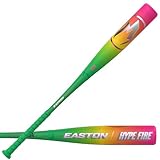
Overview:
The Easton 2026 Hype FIRE USA bat targets competitive youth players in USA Baseball leagues. This two-piece composite model prioritizes speed and control with its -10 drop weight and 2 5/8" barrel, designed for athletes seeking an edge in bat speed without sacrificing power.
What Makes It Stand Out:
Easton’s patented 3D ROPECOIL COMPOSITE technology wraps fiber vertically around the sweet spot, enhancing durability and trampoline effect. The CONNEXION MAX elastomer connector and OPTI-FLEX HANDLE work synergistically to eliminate vibration while tailoring flex to player size. Its bold thermal-inspired aesthetic and USA certification further distinguish it for serious players.
Value for Money:
Priced premium for a youth composite bat, it justifies cost through elite materials and player-specific engineering. While pricier than aluminum alternatives, its performance longevity and reduced sting outperform entry-level options, making it a smart investment for travel ball athletes focused on development.
Strengths and Weaknesses:
Strengths: Exceptional vibration dampening; optimized swing weight for faster bat speed; large, consistent sweet spot; durable composite build; league-compliant.
Weaknesses: Requires break-in period; higher cost than alloy bats; two-piece design may feel less “stiff” for power hitters preferring one-piece feedback.
Bottom Line:
An outstanding choice for advanced USA league players prioritizing bat speed and comfort. Its innovative tech delivers tournament-ready performance, justifying the investment for dedicated athletes seeking a competitive advantage.
2. Easton | 2025 | Hype FIRE Baseball Bat | USSSA | -10 Drop | 2 3/4’ Barrel | 30 inch

Overview:
Easton’s 2025 Hype FIRE USSSA bat caters to travel ball athletes in USSSA-sanctioned leagues. Featuring a -10 drop and enlarged 2 3/4" barrel, this composite bat emphasizes maximum pop and forgiveness, ideal for power-focused players needing a larger hitting zone.
What Makes It Stand Out:
The TCT Barrel technology widens the sweet spot significantly compared to predecessors, while OPTIMIZED BARREL PERFORMANCE ensures consistent power across the face. Retaining the low-MOI SWING WEIGHT and OPTI-FLEX HANDLE, it offers unparalleled barrel control. The larger barrel diameter is USSSA’s key differentiator over USA models.
Value for Money:
Positioned at a high-performance price point, it competes directly with elite USSSA bats. The expansive sweet spot and responsive composite justify the cost for travel ballers, though casual players might find it over-specified. Superior durability compared to budget composites enhances long-term value.
Strengths and Weaknesses:
Strengths: Massive sweet spot; explosive pop in USSSA zones; excellent vibration reduction; lightweight swing feel; aggressive aesthetic.
Weaknesses: Barrel size invalid for USA leagues; break-in required; premium price; slightly end-loaded feel may challenge smaller hitters.
Bottom Line:
A top-tier USSSA bat for travel ball athletes demanding maximum power and forgiveness. Its barrel technology delivers exceptional performance, making it a worthy investment for serious players in USSSA circuits.
3. Easton | Speed USA Youth Baseball Bat | 28-inch | -10

Overview:
The Easton Speed USA (28") is a high-performance composite bat for younger USA Baseball league players. Engineered for speed, its -10 drop and compact 28-inch length suit smaller athletes needing rapid bat acceleration while adhering to USA certification standards.
What Makes It Stand Out:
Easton’s lightest composite material and SPEED CAP maximize swing velocity, while the CARBON ZERO HANDLE’s 90% carbon fiber construction eliminates vibration without compromising stiffness. This targeted lightweight design prioritizes quickness over raw power, ideal for developing hitters.
Value for Money:
Priced above entry-level alloys but competitively for youth composites, it offers exceptional value for serious young players. The focus on swing speed justifies cost over basic bats, though beginners might not fully utilize its advanced tech. Durability ensures season-long reliability.
Strengths and Weaknesses:
Strengths: Unmatched swing speed for youth; near-zero vibration; ultra-lightweight; USA certified; excellent balance.
Weaknesses: Smaller barrel size than older players need; composite requires break-in; higher cost than aluminum; limited power potential for larger hitters.
Bottom Line:
An exceptional choice for smaller or contact-focused youth players in USA leagues. Its speed-optimized design delivers significant performance gains, making it a smart upgrade for developing athletes seeking confidence at the plate.
4. Rawlings | Remix USA Baseball Bat | -10 | 1 Pc. Aluminum | 2 1/4 Barrel | 29 Inch

Overview:
The Rawlings Remix USA is an entry-level one-piece aluminum bat designed for players aged 10 and under in USA-sanctioned leagues. Its 29-inch length, -10 drop, and compact 2 1/4" barrel prioritize ease of use and fundamentals for novice hitters.
What Makes It Stand Out:
The X-TENDED sweet spot maximizes contact forgiveness on mishits, crucial for beginners. The vibrant alloy design and ultra-light swing weight enhance accessibility, while the durable one-piece construction ensures reliability without composite break-in requirements. Its focus on simplicity sets it apart for young learners.
Value for Money:
An outstanding budget-friendly option under $100. It delivers reliable performance for introductory play without the cost or maintenance of composites. While lacking advanced tech, its durability and league approval make it ideal for casual play and early development.
Strengths and Weaknesses:
Strengths: Very affordable; no break-in needed; durable alloy build; forgiving sweet spot; lightweight for young players; vibrant design.
Weaknesses: Limited power potential; noticeable vibration on off-center hits; smaller barrel than older youth bats; less “pop” than composites.
Bottom Line:
Perfect for beginners aged 10 and under learning baseball fundamentals. Its affordability, durability, and user-friendly design offer exceptional value for entry-level play in USA leagues.
5. Easton | Speed USA Youth Baseball Bat | 30-inch | -10
Overview:
This Easton Speed USA model (30") serves older youth players in USA Baseball leagues needing a balanced blend of swing speed and power. The 30-inch length with -10 drop accommodates athletes transitioning to larger bats while maintaining the series’ signature quickness.
What Makes It Stand Out:
Leveraging the same TECHNOLOGICALLY ADVANCED composite as the 28", it scales performance for bigger players. The SPEED CAP enhances barrel responsiveness, and the CARBON ZERO HANDLE’s vibration elimination ensures comfort during extended use. USA certification guarantees league eligibility for serious competition.
Value for Money:
Sits at a premium price but justifies it through elite composite engineering tailored for competitive play. Outperforms similarly priced alloys in swing speed and pop, offering longevity that offsets initial cost for dedicated players focused on advancement.
Strengths and Weaknesses:
Strengths: Exceptional swing speed for size; minimal vibration; USA certified; stiff, responsive handle; consistent sweet spot.
Weaknesses: Requires break-in; costly for casual use; less power-focused than USSSA models; composite may dent under extreme cold.
Bottom Line:
A premier choice for competitive USA league players aged 10-12. Its optimized balance of speed and control delivers tournament-ready performance, making it a worthwhile investment for athletes progressing beyond beginner stages.
6. Easton | 2025 | Hype FIRE Baseball Bat | USA | -10 Drop | 2 5/8’ Barrel | 30 inch

Overview: The Easton 2025 Hype FIRE is a USA-certified youth composite bat designed for players prioritizing swing speed and control. Its -10 drop weight and 2 5/8" barrel comply with youth league standards, targeting competitive players seeking advanced performance. What Makes It Stand Out: Easton’s patented 3D ROPECOIL COMPOSITE technology wraps a composite rope vertically around the sweet spot, enhancing barrel stability and power transfer. The Connexion MAX elastomer connector and Power Boost Soft Knob work synergistically to eliminate vibration while improving comfort and leverage during swings. Value for Money: Positioned as a premium USA bat, its price reflects cutting-edge composite engineering. While costlier than aluminum alternatives, the performance gains in bat speed, durability, and vibration reduction justify the investment for serious players committed to the sport. Strengths and Weaknesses: Strengths: Exceptional vibration dampening, low MOI for faster swings, superior barrel control, and optimized sweet spot. Weaknesses: Composite bats require a break-in period, and the 2 5/8" barrel is restricted in some leagues compared to 2 3/4" USSSA models. Bottom Line: An excellent choice for youth players focused on USA leagues who need maximum swing speed and comfort. Its innovative tech delivers noticeable performance benefits, making it a top-tier investment for dedicated hitters.
7. Rawlings | 2026 | ICON The Chosen One Baseball Bat | USA | 2 5/8" Barrel | 31" | -10
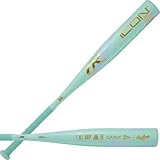
Overview: Rawlings’ 2026 ICON The Chosen One is a USA-certified one-piece composite bat engineered for power hitters seeking balance between control and pop. Its 31-inch length and -10 drop cater to older youth players in leagues requiring 2 5/8" barrels. What Makes It Stand Out: The seamless one-piece composite construction ensures pure energy transfer, while In/Tense Carbon Composite maximizes the sweet spot and trampoline effect. Tuned Balance Performance offers a slight end-load for added power without sacrificing swing control, and the REVGRIP provides exceptional tack and cushion. Value for Money: Competitively priced within the premium USA composite bat segment, it delivers pro-level materials and aesthetics (notably the mint-and-gold finish). The blend of power, comfort, and durability offers strong value versus alternatives with similar specs. Strengths and Weaknesses: Strengths: Large, consistent sweet spot, excellent power transfer, comfortable REVGRIP, attractive design. Weaknesses: One-piece composite can transmit more vibration on mishits than two-piece designs, and the slight end-load may not suit pure contact hitters. Bottom Line: Highly recommended for power-oriented youth players in USA leagues. Its optimized balance, superior grip, and explosive performance make it a standout for hitters ready to drive the ball with authority.
8. Easton | Speed USA Youth Baseball Bat | 29-inch | -10
Overview: The Easton Speed USA is a lightweight composite bat built specifically for youth players needing maximum swing velocity within USA Baseball regulations. Its 29-inch length and -10 drop target younger or contact-focused hitters in age-appropriate leagues. What Makes It Stand Out: Featuring Easton’s lightest composite material and a dedicated Speed Cap, this bat prioritizes ultra-fast swing speeds. The Carbon Zero Handle (90% carbon fiber, zero-degree layup) delivers exceptional stiffness and near-total vibration elimination for a remarkably solid feel. Value for Money: Priced accessibly for a composite USA bat, it excels as a performance entry point. While lacking some high-end tech of pricier models, its focus on swing speed and vibration control provides excellent bang-for-buck for developing players. Strengths and Weaknesses: Strengths: Extremely light swing weight, minimal vibration, durable carbon fiber handle, ideal for contact hitters. Weaknesses: Smaller sweet spot than some competitors, Speed Cap limits customization options, and composite requires break-in. Bottom Line: A superb, affordable option for young players prioritizing bat speed and comfort in USA leagues. Its simplicity and focus on core performance make it a reliable choice for coaches and parents seeking value.
9. Marucci CATX2 Composite Baseball Bat, 2 3/4" Barrel, -5, -8, -10 Drop, USSSA, End-Loaded

Overview: The Marucci CATX2 USSSA bat features a 2 3/4" barrel and end-loaded swing weight, designed for power hitters in USSSA-sanctioned youth leagues. Available in -5, -8, and -10 drops, it caters to older, stronger players seeking maximum momentum on contact. What Makes It Stand Out: Its end-loaded design concentrates weight toward the barrel, generating significant momentum for deep drives. The CATX2 composite construction (implied by model) focuses on explosive pop and a large sweet spot, leveraging USSSA’s 1.15 BPF certification for enhanced performance. Value for Money: Justified for USSSA power hitters, its price aligns with premium composite end-loaded bats. While comparable to rivals, Marucci’s reputation for quality and pro-player backing adds intangible value for serious competitors. Strengths and Weaknesses: Strengths: Significant power potential, large sweet spot (per CATX2 lineage), durable composite, ideal for gap-to-gap power. Weaknesses: End-load sacrifices swing speed for contact hitters, not legal for USA leagues, and higher vibration risk than balanced models. Bottom Line: A top pick for USSSA league power hitters who prioritize raw bat speed and distance. Avoid if seeking a balanced swing or playing in USA-sanctioned games, but ideal for crushing pitches in USSSA competitions.
10. Marucci CATX2 Senior League Bat, 2 3/4" Barrel, -10 Drop, USSSA, Balanced

Overview: This Marucci CATX2 Senior League bat offers a balanced swing weight and 2 3/4" USSSA-certified barrel in a -10 drop, targeting versatile youth players in USSSA leagues who value control and consistent contact. What Makes It Stand Out: Its multi-variable wall design expands the sweet spot significantly, while the patented Liquid-Gel System in the knob and endcap drastically reduces vibration. Precision-balanced construction lowers MOI for faster swings without sacrificing control. Value for Money: Priced competitively among premium balanced USSSA bats, it delivers exceptional comfort and consistency. The expanded sweet spot and vibration dampening provide noticeable performance advantages over mid-tier options, justifying the cost. Strengths and Weaknesses: Strengths: Huge, forgiving sweet spot, ultra-smooth feel (minimal vibration), excellent swing speed due to balance, wide size range. Weaknesses: Balanced design offers less raw power than end-loaded alternatives, and USSSA-only certification limits league use. Bottom Line: Highly recommended for USSSA league players seeking control, consistency, and comfort. Its balanced design and superior vibration reduction make it ideal for contact hitters and those transitioning to larger-barrel bats.
Understanding Drop Weight and Its Impact on Gameplay
The Physics Behind the Drop 10 Ratio
The drop weight (length minus weight) directly influences a bat’s moment of inertia, or “swing weight.” A drop 10 bat strikes a specific balance: it’s lighter than lower-drop models (like drop 3), allowing for faster swing acceleration, yet heavier than high-drop youth bats, providing more mass behind contact for solid ball flight. This ratio is crucial in fast-paced scenarios where pitchers consistently challenge hitters with velocity, requiring quicker bat speeds to catch up to inside pitches or adjust to breaking balls.
How Drop Weight Affects Swing Mechanics
A bat’s drop influences your entire kinetic chain. A drop 10 often encourages a more level swing path, promoting consistent contact through the zone—essential when facing pitchers who exploit the upper and lower halves of the strike zone rapidly. If the bat feels too heavy (lower drop), your hands might slow down, causing late swings on fastballs. Too light (higher drop), and you might overswing or lose bat control on off-speed pitches, reducing power potential even with high swing speed. Finding the drop that matches your natural tempo is non-negotiable for timing consistency.
League Regulations and Eligibility
Always verify your league’s specific bat standards before purchasing. While drop 10 is common in many high school and travel ball divisions, rules vary significantly (e.g., BBCOR for high school/college mandates a drop 3 maximum, while USSSA often allows higher drops like -10 or -11 with specific performance certifications). Using an illegal bat, even unintentionally, can sideline your performance or your team. Check governing body guidelines annually, as standards evolve.
Material Science: What Your Bat is Made Of Matters
Alloy Bats: Responsiveness and Durability
Alloy bats, typically crafted from aerospace-grade aluminum or multi-wall aluminum composites, offer immediate “pop” right out of the wrapper with no break-in period. They provide a stiff, responsive feel that translates raw swing speed directly into ball exit velocity—a major advantage when you need to react instantly to a 90+ mph fastball. Modern alloys also feature precision-tuned barrel walls for a larger sweet spot and exceptional durability, handling repeated high-impact collisions without performance degradation.
Composite Bats: Optimized Energy Transfer and Feel
Composite bats, made from layered carbon fiber, fiberglass, and resin, require a short break-in period but deliver unparalleled performance characteristics for fast-paced play. They dampen vibration significantly on mishits, reducing hand sting and allowing hitters to stay aggressive even when fouling off tough pitches. More importantly, composites flex on contact, storing and releasing energy more efficiently than alloy, which can lead to higher ball exit speeds if the swing mechanics align perfectly with the bat’s flex profile. This “trampoline effect” is carefully regulated but remains a key differentiator.
Hybrid Constructions: The Best of Both Worlds
Hybrid bats combine an alloy barrel with a composite handle (or vice versa), strategically leveraging the strengths of each material. The alloy barrel delivers the instant responsiveness and crisp feedback crucial for quick-twitch hitting, while the composite handle absorbs shock and minimizes vibration transfer to the hands. This design is particularly beneficial for players who frequently face elite velocity, as it maintains swing confidence through the noise of high-impact contact without sacrificing the immediate power potential of alloy.
Barrel Design and Sweet Spot Optimization
Barrel Length and Hitting Zone Coverage
The length of the usable hitting surface (the barrel) directly impacts your margin for error. Longer barrels increase the physical “sweet spot” zone, giving hitters more forgiveness on inside or outside pitches—a critical factor when pitchers are working both sides of the plate aggressively. However, longer barrels can slightly increase swing weight; modern engineering counters this with end-loaded or balanced weighting schemes within the drop 10 constraint to maintain maneuverability.
Wall Thickness and Flex Profiles
Barrel wall thickness, regulated by standards like USSSA’s .50 BPF or BBCOR, is meticulously engineered. Thinner walls (within legal limits) allow for more barrel flex at impact, enhancing the trampoline effect and boosting ball speed off the bat. Manufacturers use computer modeling to create variable wall thickness—thinner in the center for maximum flex, slightly thicker at the ends for durability—creating a larger effective sweet spot. This optimized flex is vital for generating power without sacrificing bat control during rapid swing adjustments.
Ring-Free Technology and Consistent Performance
Traditional bats sometimes had internal rings or seams that created dead spots. Modern “ring-free” or seamless barrel technology ensures uniform wall thickness and consistent performance across the entire hitting surface. For fast-paced hitters who can’t afford to second-guess contact quality on inside swings or off-speed pitches, this consistency means every well-struck ball flies true, maximizing hard-hit rates even under defensive pressure.
Weight Distribution: Balanced vs. End-Loaded
The Balanced Bat Advantage for Quick Swings
A balanced drop 10 bat distributes weight evenly from knob to barrel, lowering the moment of inertia. This makes the bat feel lighter in your hands during the swing initiation, allowing for faster bat speed through the hitting zone. For contact hitters, slap hitters, or anyone facing elite velocity who prioritizes getting the bat head through the zone quickly, balanced weighting is often the superior choice for maintaining timing and making consistent contact on the inner half.
When End-Loaded Might Work for Power Hitters
End-loaded bats shift extra weight toward the barrel, creating a “heavier feel” at the point of contact. While this can generate more raw power if the hitter fully catches the ball flush, it also increases swing weight, potentially slowing down bat speed. In fast-paced scenarios dominated by velocity and movement, end-loaded bats are generally less ideal as they can lead to late swings on fastballs or difficulty adjusting to breaking balls. They suit only very specific power-oriented hitters with exceptional strength and timing.
How to Test Weight Distribution Feel
Don’t rely solely on specs; feel is paramount. Hold the bat at the knob and slowly rotate it 360 degrees. A balanced bat will feel neutral, spinning smoothly. An end-loaded bat will feel like it “pulls” downward as the barrel rotates. More crucially, take practice swings (without a ball). Does the bat feel like it accelerates easily through your natural swing path? Does it feel controllable when you simulate checking your swing on an off-speed pitch? Your hands will tell you more than any spec sheet.
Grip Technology and Vibration Dampening
The Role of the Grip in Bat Control
Your grip is the sole connection point between your swing mechanics and the bat. An advanced grip system isn’t just about tackiness; it’s engineered to maintain secure control during explosive rotational forces, especially critical when sweat builds during intense games or in humid conditions. Look for grips with textured patterns or moisture-wicking compounds that prevent slippage without requiring excessive hand tension, which can slow down your swing.
Internal Dampening Systems for Clean Contact
Beyond the grip, internal technologies like elastomer inserts at the knob or within the handle core absorb harmful vibrations from off-center hits. This isn’t just about comfort; reduced vibration means less jarring feedback to your hands and wrists, allowing you to maintain bat speed and follow-through even on mishits. In fast-paced games where fouling off tough pitches is part of the battle, this dampening keeps your hands “quiet” and ready for the next pitch without stinging distractions.
Tack vs. Cushion: Finding Your Preference
Grip feel is highly personal. Some hitters prefer a tacky, responsive feel for maximum feedback on contact (often favored by contact hitters), while others prioritize a slightly cushioned grip to further isolate vibration (common among power hitters or those with hand sensitivity). Many modern bats offer interchangeable grip options or layered systems allowing you to customize this element. Test different feels if possible—your ideal grip minimizes distractions at the plate.
Swing Weight vs. Actual Weight: The Critical Distinction
Why Swing Weight Trumps Static Weight
Two bats can share the exact same length and weight (e.g., 31"/21 oz = drop 10), yet feel drastically different when swung. Swing weight (moment of inertia) measures how the weight is distributed during motion. A bat with weight concentrated in the barrel will have a higher swing weight than a balanced bat of identical specs, making it feel slower to accelerate. For fast-paced hitting, a lower swing weight within the drop 10 category is almost always preferable for quicker bat speed.
How Manufacturers Manipulate Swing Weight
Advanced engineering techniques allow manufacturers to fine-tune swing weight without altering the drop. This includes using lighter end caps on alloy bats, optimizing composite layup patterns to shift mass, or incorporating internal weighting systems (like tungsten inserts in the barrel). These subtle adjustments create bats that feel lighter in the hands than their static weight suggests, directly benefiting hitters who need rapid swing turnover.
Testing Swing Weight Yourself
The best way to assess swing weight is practical: swing the bat. Hold it by the knob and make several controlled swings, focusing on the effort required to start and stop the motion. Compare it to another bat of the same drop. Does one feel noticeably easier to rotate? Does one feel like it “drags” slightly? Your muscles will immediately sense the difference in swing weight, which is far more relevant to performance than the number on the scale.
Player Profile Matching: It’s Not One-Size-Fits-All
Age, Strength, and Swing Speed Considerations
A drop 10 bat suitable for a strong 16-year-old travel ball player might overwhelm a 12-year-old with developing mechanics. Younger or less powerful hitters often benefit from the lighter swing feel of a higher-drop bat (like -11 or -12), while stronger athletes transitioning to BBCOR (drop 3) might use a drop 10 as a “bridge” bat. Honestly assess your current swing speed—if you’re consistently late on fastballs, a lighter swing weight (even within drop 10) might be key, not necessarily a different drop.
Contact Hitter vs. Power Hitter Dynamics
Contact hitters, whose game relies on quick hands, bat control, and line drives, typically thrive with balanced, responsive bats that prioritize swing speed and a large sweet spot. Power hitters might explore very slight end-loading for increased momentum, but in today’s velocity-driven game, even power relies heavily on elite bat speed. Most successful hitters at high levels prioritize balanced weighting for the fastest path through the zone.
League Velocity and Pitch Type Recognition
The speed and movement of pitches you face daily should heavily influence your choice. If your league features consistent 80+ mph pitching with sharp breaking balls, a bat that maximizes your ability to stay back and adjust mid-swing (lighter swing weight, vibration dampening) is essential. Against slower pitching, raw power potential might be more viable, but the modern game increasingly demands bats optimized for velocity.
The Break-In Process: Critical for Composite Performance
Why Composites Need a Break-In Period
Unlike alloy bats, composite bats require 150-200 hits off a tee or soft toss to reach peak performance. The resin matrix and carbon fibers need to flex repeatedly to “loosen up,” allowing the barrel walls to achieve their optimal flex pattern for maximum energy return. Skipping proper break-in can lead to subpar performance and, in rare cases, premature barrel damage from cold, stiff impacts.
Proper Break-In Technique for Longevity
Start at 40-50% power, rotating the bat a quarter-turn after every 10-15 swings to ensure even wear across the entire barrel. Gradually increase power over several sessions. Never hit off a hard pitching machine at full speed initially—this can cause micro-fractures. Proper break-in isn’t just about performance; it’s crucial for the bat’s structural integrity and warranty validity.
Recognizing When Break-In is Complete
A fully broken-in composite bat will produce a distinctive “ping” sound (different from alloy) and feel noticeably more responsive, with less vibration on solid contact. Ball exit speed off the bat will increase measurably. Rushing this process by trying to force performance too early is counterproductive and risks damaging the bat.
Durability and Warranty Considerations
Material Longevity in Competitive Play
Alloy bats generally offer superior dent resistance, especially against high-velocity pitching, making them a “set it and forget it” option for heavy use. Modern composite bats have improved dramatically in durability but can still be susceptible to cracking in extreme cold or from repeated impacts on the very end of the barrel. Consider your typical playing conditions and frequency of use.
Understanding Warranty Limitations
Most bat warranties cover manufacturing defects (e.g., cracks not caused by misuse) but explicitly exclude dents, normal wear, or damage from improper break-in or cold-weather use (typically below 60°F/15°C for composites). Read the fine print carefully. Some warranties require online registration within a specific timeframe. A good warranty offers peace of mind, but it’s not a guarantee against all damage.
Maximizing Bat Lifespan Through Care
Store bats at room temperature, especially composites. Avoid leaving them in hot cars (which can warp composites) or freezing conditions. Rotate the bat slightly with each swing during practice to promote even barrel wear. Using the bat solely for games and having a separate practice bat significantly extends its high-performance life.
Future-Proofing Your Investment
Anticipating Rule Changes and Technology Shifts
Bat performance standards (like BBCOR or USSSA’s BPF) evolve. While a current drop 10 bat meeting 2026 standards should remain legal for its intended league, be aware that future changes could impact eligibility down the line, especially for composite bats where performance thresholds are closely monitored. Research if your league has announced any pending standard updates.
The Value of Versatility
Consider how the bat fits into your development arc. A well-chosen drop 10 can serve a player through multiple competitive seasons if it matches their evolving strength and swing mechanics. Prioritize bats with proven track records for consistent performance rather than chasing the absolute “hottest” model of the year, which might be banned or regulated next season.
When to Consider an Upgrade
Don’t chase upgrades unnecessarily. A bat performs optimally for 1-2 full seasons under heavy use. Signs it’s time for a new bat include a noticeable decline in “pop” (even after proper break-in for composites), visible dents or cracks, or a significant change in your swing speed/strength that makes the current bat feel mismatched. Let performance, not marketing cycles, drive your decision.
Frequently Asked Questions
Frequently Asked Questions
What exactly does “drop 10” mean for a baseball bat? Drop 10 refers to the difference between the bat’s length (in inches) and its weight (in ounces). For example, a 31-inch bat weighing 21 ounces has a drop of 10 (31 - 21 = 10). This ratio significantly impacts swing weight and feel.
Is a drop 10 bat suitable for high school baseball? Generally, no. Most high school leagues in the US follow NFHS rules requiring BBCOR-certified bats, which have a maximum drop of 3 (e.g., 33"/30 oz). Drop 10 bats are typically used in youth leagues (like USSSA) for players aged 12-14, but always verify your specific league’s current regulations.
Do composite drop 10 bats really need a break-in period? Yes, absolutely. Composite bats require 150-200 controlled swings (starting at 40-50% power and rotating the bat) to reach peak performance. Skipping proper break-in results in subpar performance and can risk damaging the bat.
Why does swing weight matter more than the actual weight? Swing weight (moment of inertia) determines how easily the bat accelerates during your swing. Two bats with identical length and weight (same drop) can feel very different—one might swing light due to balanced weighting, while another feels heavy due to end-loading. Faster swing acceleration is critical for hitting velocity.
Can a balanced bat still generate power? Definitely. Power comes from a combination of bat speed, swing mechanics, and clean contact. A balanced bat often allows for faster bat speed through the zone, leading to more consistent hard contact—which is the foundation of power in today’s game, especially against high velocity.
How do I know if a bat’s sweet spot is large enough? Look for engineering features like variable wall thickness, ring-free barrels, and optimized barrel length. These technologies expand the effective sweet spot. In practice, a large sweet spot means fewer stinging vibrations on slightly off-center hits and more consistently solid contact during game adjustments.
Are more expensive bats always better for fast-paced play? Not necessarily. Price often reflects materials (premium composites vs. alloy) and brand prestige, not guaranteed performance. A well-matched, mid-priced bat that suits your swing mechanics will outperform an expensive bat that doesn’t fit your needs. Focus on feel and specs over cost.
What temperature is too cold to use a composite bat? Most manufacturers recommend avoiding composite bats below 60°F (15°C). Cold temperatures make the composite materials brittle, significantly increasing the risk of cracks or structural failure upon impact, even with proper break-in.
How long should a quality drop 10 bat last? With proper care and within its intended league use, a quality drop 10 bat typically delivers peak performance for 1-2 full competitive seasons under regular game and practice use. Alloy bats often last longer than composites in terms of structural integrity.
Can I use a drop 10 bat if I’m a power hitter? Power hitters can use drop 10 bats, but they must prioritize models with balanced weighting to maintain necessary bat speed. In today’s velocity-driven game, even power relies on quick bat speed; an end-loaded drop 10 often slows the swing too much against elite pitching.
See Also
- 10 Best Drop 10 Baseball Bats for Fast Swing Transition in 2026
- How to Choose the 10 Best Drop 5 Baseball Bats for Adult Leagues in 2026
- 10 Essential Drop 10 Baseball Bats Every Youth Player Needs in 2026
- 10 Expert-Recommended Drop 5 Baseball Bats for High School Seniors in 2026
- 10 Best Value Drop 8 Baseball Bats for Balanced Performance in 2026