Table of Contents
Choosing the right baseball glove for a young player isn’t just about grabbing the shiniest option off the shelf—it’s about setting them up for success, comfort, and, most importantly, a love for the game. A poorly fitted or inappropriate glove can turn routine catches into frustrating fumbles, dampening a child’s enthusiasm before they even get a chance to shine on the field. For parents navigating the often-overwhelming world of youth sports gear, understanding the nuances beyond brand names and flashy colors is crucial. This guide cuts through the noise, focusing entirely on the why and how of selecting the perfect glove, ensuring your young athlete gets the supportive tool they need to build confidence and skill.
Think about the last time you saw a kid struggle with gear that was clearly too big or stiff—they’re spending more energy wrestling with their equipment than focusing on catching the ball. That’s a recipe for early burnout. Youth players have unique developmental needs; their hands are smaller, their strength is growing, and their commitment to the sport is still forming. The right glove acts as a seamless extension of their hand, making the game feel intuitive and fun, not like a chore. We’ll explore the essential factors that truly matter—size, position, materials, fit, and growth—so you can make an informed decision that supports your player’s journey, not just their next game.
Top 10 Baseball Gloves for Youth
Detailed Product Reviews
1. Rawlings | REMIX T-Ball & Youth Baseball Glove | Right Hand Throw | 10.5" | Black

Overview: This entry-level 10.5-inch glove targets first-time youth baseball and T-ball players aged 6-9, designed as a versatile utility option for any position during foundational skill development.
What Makes It Stand Out: Its lightweight synthetic construction and stylish, kid-focused black design make it visually appealing while ensuring easy handling. The basket web pattern combined with a soft shell significantly simplifies catching grounders and fly balls, critical for beginners building confidence.
Value for Money: Priced affordably around $30, it delivers exceptional value for casual play in parks or backyards. While not built for competitive leagues, it outperforms cheaper novelty gloves in durability and function, avoiding the steep cost of premium leather models unnecessary for novices.
Strengths and Weaknesses:
Strengths: Ultra-lightweight for small hands; intuitive basket web for easy ball retention; vibrant, appealing aesthetics; quick readiness with no break-in.
Weaknesses: Synthetic material lacks longevity of leather; shallow pocket may hinder advanced catches; not ideal for serious league play beyond introductory seasons.
Bottom Line: An excellent, budget-friendly starter glove that prioritizes fun and ease of use for young children just learning the game, though not suited for long-term competitive development.
2. Franklin Sports Field Master Series Baseball Gloves, 12", Right Hand Throw
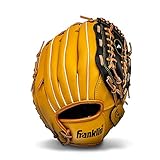
Overview: This 12-inch synthetic leather glove caters to youth and recreational players seeking immediate usability across baseball, softball, or T-ball without extended break-in periods.
What Makes It Stand Out: Franklin’s “thumb-adjustment technology” allows on-the-fly fit customization, while the contoured wrist ensures a snug, secure feel for diverse hand sizes. The hand-formed pocket provides reliable ball retention straight out of the box, a rarity in affordable gloves.
Value for Money: At approximately $40, it offers remarkable bang for buck. It bridges the gap between flimsy budget gloves and high-end leather options by delivering instant game-readiness and solid durability, making it a smarter investment than disposable alternatives.
Strengths and Weaknesses:
Strengths: Effortless break-in; adjustable fit accommodates growth; durable synthetic mimics leather performance; pre-shaped pocket minimizes errors.
Weaknesses: Synthetic material won’t age like genuine leather; less breathability during intense heat; web stiffness may slightly reduce feel for advanced plays.
Bottom Line: A highly practical, versatile glove ideal for developing players needing reliability and comfort without waiting months for break-in, justifying its mid-range price for recreational use.
3. Rawlings | SELECT PRO LITE Youth Baseball Glove | Nolan Arenado Pattern | Right Hand Throw | 11" - Pro H-Web | Tan

Overview: Modeled after MLB star Nolan Arenado’s glove, this 11-inch youth model targets players aged 6-12 seeking pro-inspired performance with age-appropriate sizing and features.
What Makes It Stand Out: The authentic Pro H-Web design and Youth Pro Taper fit—offering a smaller hand opening for enhanced control—directly translate elite functionality to young athletes. All-leather lacing and shock-resistant palm padding prioritize both performance longevity and player comfort during intense action.
Value for Money: Priced near $80, it’s a premium youth option that justifies cost through genuine leather construction and pro-grade details. While pricier than synthetics, it outlasts entry-level gloves and provides a tangible skill-development edge, rivaling gloves twice its cost.
Strengths and Weaknesses:
Strengths: Authentic pro pattern for skill transfer; lightweight yet durable leather; superior shock absorption; excellent pocket retention; ages gracefully with use.
Weaknesses: Requires moderate break-in time; higher price may deter casual players; tan color shows dirt easily.
Bottom Line: A top-tier investment for serious young players committed to the sport, blending professional design with youth-specific ergonomics for measurable performance gains.
4. Mizuno GPP1000Y3 Youth (Ages 3-6) Prospect Series PowerClose Baseball Gloves, 10", Right Hand Throw, Black Tartan Flex Web
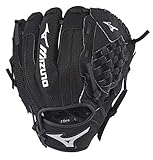
Overview: Specifically engineered for toddlers and preschoolers (ages 3-6), this 10-inch glove uses Mizuno’s PowerClose technology to simplify catching for the youngest athletes with minimal hand strength.
What Makes It Stand Out: The PowerClose hinge system actively closes the glove upon impact, making it drastically easier for tiny hands to secure balls. Combined with the flexible Tartan Web and ultra-soft palm liner, it transforms frustrating early experiences into successful, confidence-boosting moments.
Value for Money: At $50-$60, it’s pricier than basic kids’ gloves but invaluable for its target age group. The full-grain pigskin leather and MZO moisture-wicking lining ensure it withstands enthusiastic backyard play longer than flimsy alternatives, justifying the cost for such a niche demographic.
Strengths and Weaknesses:
Strengths: PowerClose mechanism aids weak grip strength; breathable air mesh back; exceptional palm comfort; durable leather for its class; perfect sizing for preschoolers.
Weaknesses: Too small for players over age 6; hinge mechanism adds slight weight; limited position versatility due to youth focus.
Bottom Line: The definitive glove for toddlers starting T-ball, turning initial frustration into fun with smart engineering that supports the earliest stages of motor skill development.
5. Mizuno unisex teen 11.5" Prospect Series PowerClose Baseball Glove 11 5 , Brown Tartan Flex Web, 11.5 US

Overview: This 11.5-inch glove extends Mizuno’s PowerClose technology to teens and older youth players, blending assistive mechanics with durable construction for transitional athletes.
What Makes It Stand Out: Retaining the game-changing PowerClose hinge for effortless ball retention, it upgrades to full-grain pigskin leather and MZO moisture management. The larger size and tartan web suit outfielders or versatile infielders needing reliability during rapid development phases.
Value for Money: Priced around $70, it offers strategic value for growing players between youth and adult sizes. The PowerClose feature reduces fatigue during long practices, while leather durability ensures multi-season use—outperforming standard gloves in its price bracket for developing athletes.
Strengths and Weaknesses:
Strengths: PowerClose eases catching for developing hands; premium leather ages well; superior sweat control; comfortable unisex fit; strong web for fly balls.
Weaknesses: Hinge may feel unnecessary for advanced players; slightly heavier than non-assisted gloves; break-in time longer than synthetics.
Bottom Line: An ideal “next step” glove for teens needing mechanical support without sacrificing quality, providing a confidence-boosting bridge to elite adult models.
6. Franklin Sports Teeball Infinite Web/Shok-Sorb Combo Series Fielding Left Hand Glove, 10.5-Inch, Graphite/Lime
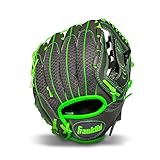
Overview: This Franklin Sports glove is engineered specifically as a first mitt for young tee ball players, featuring a 10.5-inch size, left-hand throw orientation (worn on the right hand), and vibrant Graphite/Lime coloring. Its lightweight design prioritizes ease of use for children developing fundamental catching and throwing skills. What Makes It Stand Out: The Shok-Sorb palm padding absorbs impact for confident catches, while the soft mesh construction eliminates the dreaded break-in period. The hand-formed pocket contours perfectly to a child’s smaller hand, ensuring immediate comfort and usability right out of the box—crucial for maintaining a young player’s engagement. Value for Money: Positioned as an affordable entry point, it competes well against basic vinyl youth gloves. While not made with premium leather, its no-break-in promise and durable mesh justify the price for casual tee ball and backyard play, offering better long-term usability than ultra-cheap alternatives that stiffen or crack. Strengths and Weaknesses: Strengths: Exceptionally lightweight; zero break-in required; comfortable, pre-shaped pocket; impact-absorbing palm; vibrant, appealing colors. Weaknesses: Mesh material may lack the longevity of leather for multi-season serious play; not suitable for older or more advanced youth players due to size and construction. Bottom Line: An ideal, fuss-free starter glove for tee ball novices aged 4-7, offering immediate playability and comfort. Its value shines for introductory leagues and practice, though serious young athletes may outgrow it quickly.
7. Mizuno GPP1050Y3 Prospect Series PowerClose Baseball Gloves, 10.5", Left Hand, Black Tartan Flex Web

Overview: The Mizuno Prospect Series targets youth players ready for a step up, featuring a 10.5-inch left-hand throw glove (worn on right hand) crafted from full-grain pigskin leather. It blends traditional craftsmanship with modern performance fabrics for durability and comfort during regular gameplay. What Makes It Stand Out: Mizuno’s PowerClose technology and the flexible Black Tartan web enhance ball control and closing speed. The butter-soft PU palm liner and MZO moisture-wicking lining significantly boost comfort and reduce slippage, while the air mesh back ensures breathability during extended play—features uncommon in entry-level youth gloves. Value for Money: Priced higher than basic vinyl options, it delivers exceptional value for committed youth players (ages 8-12) due to its genuine leather construction and advanced comfort tech. It outlasts cheaper alternatives and requires less intensive break-in than traditional leather gloves, making it a smart investment for growing athletes. Strengths and Weaknesses: Strengths: Durable full-grain pigskin leather; superior moisture management; enhanced flexibility and breathability; comfortable liner; professional-grade web design. Weaknesses: Requires moderate break-in (though less than stiff leathers); higher initial cost than tee-ball-specific gloves; may be too large for very young beginners. Bottom Line: A top-tier choice for youth players advancing beyond tee ball, offering pro-level materials and comfort at a reasonable price. Highly recommended for dedicated young athletes seeking a glove that performs and lasts through multiple seasons.
8. Rawlings | PLAYERS Series T-Ball & Youth Baseball Glove | Right Hand Throw | 9" | Baseball Theme

Overview: Designed exclusively for toddlers and preschoolers (ages 3-5), this 9-inch Rawlings PLAYERS glove features a right-hand throw orientation (worn on left hand) and a fun baseball-themed design. It’s engineered to be the simplest possible first glove for tiny hands just learning to catch. What Makes It Stand Out: The ultra-soft, pliable vinyl shell requires zero break-in and is exceptionally lightweight, allowing even the smallest hands to close the glove effortlessly. The traditional 9-inch basket web provides a genuine “baseball glove” look while remaining perfectly scaled for mini-muffin mitts, fostering early confidence. Value for Money: As one of the most affordable youth gloves, it offers excellent value for its intended audience: very young children in introductory tee-ball clinics. The vinyl construction keeps costs low, and since kids outgrow these rapidly, it’s a practical, no-frills solution without the investment of leather. Strengths and Weaknesses: Strengths: Extremely lightweight and easy for toddlers to close; completely no-break-in; vibrant, engaging design; ideal size (9") for ages 3-5; very budget-friendly. Weaknesses: Vinyl lacks durability for heavy use or multiple seasons; not suitable beyond early tee-ball; minimal padding for harder-thrown balls. Bottom Line: The perfect introductory glove for toddlers aged 3-5, providing instant usability and fun at a minimal cost. Avoid for older kids or serious play, but unbeatable for first-time tee-ball experiences.
9. Rawlings | REMIX T-Ball & Youth Baseball Glove | Right Hand Throw | 9" | Black
Overview: Rawlings’ REMIX glove is a stylish 9-inch utility option for young beginners (ages 3-5), featuring a right-hand throw (worn on left hand) and a unique sublimated Black/White/Metallic Silver pattern. It’s built for casual play across all positions in tee-ball and backyard games. What Makes It Stand Out: The eye-catching, one-of-a-kind sublimated design ensures no two gloves look identical, appealing strongly to kids. Combined with a soft shell and basket web, it offers easy ball control for scooping grounders and catching fly balls, all in a lightweight package tailored for tiny hands. Value for Money: Priced moderately above basic vinyl gloves, it delivers added value through its distinctive aesthetics and slightly more durable construction. While not for competitive play, the visual appeal and reliable performance for casual use justify the slight premium for parents wanting a glove their child will love wearing. Strengths and Weaknesses: Strengths: Unique, head-turning design; lightweight and easy for young hands to manage; versatile basket web; soft shell for easy closing; suitable for any position. Weaknesses: Vinyl material limits longevity; design may not appeal to all tastes; lacks advanced features like moisture-wicking; not for serious league play beyond tee-ball. Bottom Line: A fun, fashionable, and functional starter glove ideal for preschoolers in recreational tee-ball. Its standout style and ease of use make it a great pick for casual play, though prioritize durability-focused models for frequent use.
10. Rawlings | SURE CATCH T-Ball & Youth Baseball Glove | Right Hand Throw | 10.5" | Black/Grey
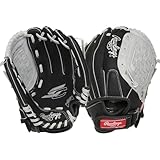
Overview: Targeting a broader age range (4-10 years), this 10.5-inch Rawlings Sure Catch glove features a right-hand throw (worn on left hand) and a classic Black/Grey colorway. It’s designed as a versatile utility glove for young players transitioning from tee-ball to coach-pitch. What Makes It Stand Out: Rawlings’ “Sure-Catch” technology and 90% factory pre-break-in deliver immediate usability—players can close it effectively from day one. The all-leather shell with padded finger linings offers surprising durability and comfort for the price, while the basket web provides reliable ball control across infield and outfield positions. Value for Money: Represents outstanding value for its class. The genuine leather construction and near-game-ready feel outperform similarly priced vinyl gloves significantly, offering better longevity and performance for growing hands. It’s a cost-effective upgrade for players needing a glove that bridges beginner and intermediate levels. Strengths and Weaknesses: Strengths: Exceptional 90% pre-break-in; durable all-leather shell; comfortable padded linings; versatile 10.5" size for ages 4-10; reliable basket web; excellent balance of quickness and control. Weaknesses: Slightly heavier than vinyl options for the youngest users; leather still requires some maintenance; design is less flashy than the REMIX model. Bottom Line: The best all-around value for youth players aged 5-10 ready for their first real baseball glove. Its ready-to-play feel, durability, and versatility make it a highly recommended upgrade from basic tee-ball mitts.
Understanding Youth Glove Sizing Fundamentals
Getting the size wrong is the most common and detrimental mistake. Youth glove sizing isn’t one-size-fits-all; it’s measured in inches from the heel to the tip of the index finger, and the ideal range varies significantly by age and position. A glove that’s too large forces a young player to overextend their hand, hindering quick transfers and making the glove feel clumsy and heavy. Conversely, a glove that’s too small restricts hand movement and won’t form a proper pocket, leading to dropped balls and frustration. Knowing the general inch ranges for different age groups and field positions is the essential first step toward a comfortable and functional fit.
How Age and Hand Size Dictate Proper Glove Length
Younger children, typically under 8 years old, often need gloves in the 8.5” to 9.5” range. Their small hands simply cannot control or close a larger glove effectively. As players move into the 8-12 age bracket, glove sizes generally increase to 9.5” to 11.5”, but this is heavily dependent on the child’s actual hand size and the position they play. Always measure the child’s hand from the base of the palm to the tip of the middle finger before consulting sizing charts—relying solely on age can lead to errors, as kids develop at vastly different rates.
Position-Specific Size Considerations for Growing Players
Infielders, especially middle infielders (shortstop, second base), benefit from slightly smaller gloves (often 9.5”-11” for youth) that allow for quick ball retrieval and rapid transfers crucial for double plays. Outfielders typically use slightly larger gloves (10.5”-11.5”) to help secure fly balls, though youth outfield gloves rarely exceed 11.5”. Catchers and first basemen require specialized mitts, not standard gloves; catcher’s mitts are heavily padded and rounded, while first baseman’s mitts are longer and wider. Ensuring the glove type matches the primary position prevents unnecessary strain and optimizes performance.
Material Matters: Leather vs. Synthetic Options
The material of the glove significantly impacts its break-in time, durability, feel, and overall performance on the field. This choice affects not only the initial cost but also how the glove will perform and age throughout the player’s youth career. Understanding the pros and cons of each material type helps align expectations with the player’s commitment level and how frequently they’ll be on the field.
Full-Grain Leather: The Premium Choice for Longevity
Full-grain leather represents the highest quality material commonly used in youth gloves designed for serious players. It’s incredibly durable, develops a personalized pocket beautifully with use, and offers superior feel and control once broken in. While it requires more initial effort to soften and shape, a well-maintained full-grain glove can last through multiple seasons, potentially even growing with the player into early high school if sized appropriately for growth. This is ideal for dedicated players who participate in travel ball or multiple seasons a year.
Synthetic Leather and Mesh: Easier Break-In for Beginners
Synthetic leather (often called “premium synthetic” or “microfiber”) and mesh panels are common in entry-level and recreational youth gloves. The primary advantage is significantly reduced break-in time; these gloves are much softer right out of the box, allowing young hands to close them easily from day one. They are generally more affordable and lighter weight. However, they tend to be less durable over the long haul, may not form as deep or consistent a pocket, and can degrade faster with heavy use or exposure to harsh elements. This is often a practical choice for first-time players or those in tee-ball and coach-pitch leagues.
Achieving the Perfect Fit and Comfort
A glove that looks right on the shelf might feel completely wrong on a child’s hand. Proper fit encompasses more than just length; it involves the width of the palm, the depth of the finger stalls, the contour of the wrist, and how securely the glove stays closed. Discomfort is a major deterrent for young players, so prioritizing ergonomic comfort is non-negotiable for sustained enjoyment and skill development.
Evaluating Palm Width and Finger Stall Depth
The palm of the glove should feel snug but not tight across the child’s hand. There shouldn’t be excessive extra space on the sides of the palm. Similarly, the finger stalls (the tubes for the fingers) need to be the correct depth. Fingers should not hang out the end, but there also shouldn’t be more than about 1/4 to 1/2 inch of empty space at the tip when the fingers are fully inserted. Too much space makes closing the glove difficult; too little causes discomfort and restricts blood flow.
The Critical Role of Wrist Closure Systems
Youth gloves primarily use two closure types: adjustable straps (often buckles or hook-and-loop fasteners like Velcro) and elastic wristbands. Adjustable straps offer the most precise fit customization as the child grows or their hand develops, which is highly beneficial for a glove meant to last more than one season. Elastic bands provide ease of use and consistent comfort but offer less adjustability over time. Ensure the closure mechanism is easy for the child to manage independently and doesn’t pinch or dig into the wrist.
Breaking In a Youth Glove Correctly
A new glove, especially one made of quality leather, needs proper conditioning to become game-ready. Rushing this process or using harsh methods can damage the leather and shorten the glove’s lifespan. The goal is to soften the leather gradually while shaping a functional pocket that securely holds the ball, without making the glove floppy or losing its structural integrity.
Safe and Effective Break-In Techniques for Young Players
Gentle, consistent hand manipulation is the safest method. Encourage the child to wear the glove constantly (even while watching TV or doing homework) and repeatedly close it around a ball or their fist. Lightly applying a small amount of dedicated glove conditioner (never oils like Vaseline or mink oil) to the pocket area and hinge points, followed by more closing and shaping, accelerates softening without oversaturating. Avoid extreme methods like dunking in water, baking in an oven, or using a mallet excessively, as these often ruin the leather fibers.
Why Patience Pays Off with Youth Gloves
Rushing the break-in process often results in a glove that becomes too loose too quickly, losing its ability to form a reliable pocket. A glove broken in gradually through natural use molds perfectly to the player’s hand and catching style. This patience ensures the glove provides consistent performance throughout the season and develops the ideal pocket depth and shape for secure catches, directly contributing to the player’s confidence in the field.
Essential Care and Maintenance for Longevity
Youth gloves take a beating from dirt, sweat, weather, and enthusiastic use. Implementing simple care routines dramatically extends the glove’s life and maintains its performance. Neglecting maintenance leads to stiff, cracked leather, a collapsed pocket, and a glove that becomes unpleasant to use far sooner than necessary. Teaching young players basic care also instills responsibility for their equipment.
Cleaning and Conditioning After Every Use
After each game or practice, wipe away dirt and mud with a slightly damp cloth. Never submerge the glove in water. Once dry, apply a very small amount of quality glove conditioner to a clean cloth and rub it gently into the leather, focusing on the pocket, palm, and hinge areas. Over-conditioning is worse than under-conditioning—leather should never feel greasy. This routine prevents the leather from drying out and cracking, especially crucial after exposure to sun or rain.
Proper Storage to Maintain Shape and Prevent Damage
Always store the glove with a ball securely tucked into the pocket, held in place by wrapping a rubber band around the glove (not too tightly). Store it in a cool, dry place away from direct heat sources like radiators or garages that get extremely hot or cold. Avoid leaving it in the trunk of a car. Proper storage maintains the pocket shape, prevents the leather from warping, and protects it from temperature extremes that degrade the material over time.
Planning for Growth and Future Use
Youth players grow rapidly, both in height and hand size. While it’s tempting to buy a glove “they can grow into,” this is almost always a mistake for performance and safety. However, understanding growth patterns allows for smarter purchasing decisions that balance current needs with future usability, maximizing value without compromising the player’s experience.
The Pitfalls of Oversizing for Future Seasons
A glove that’s significantly too large forces the player to use improper hand positioning and excessive wrist motion to close it. This hinders the development of fundamental catching mechanics and can even lead to hand or wrist strain. The extra weight and bulk also make the glove tiring to wear, reducing playing time enjoyment. The minor cost savings of buying oversized are vastly outweighed by the negative impact on skill development and the child’s willingness to keep playing.
Strategies for Extending Glove Life Responsibly
If budget is a primary concern, look for gloves with highly adjustable wrist closures that can accommodate slight hand growth over a single season. Focus on durable materials like full-grain leather that will last longer with proper care. Consider purchasing a quality glove sized correctly for the current season, knowing it may only last 1-2 years, rather than a poorly fitting oversized glove that lasts slightly longer but hinders performance. Sometimes, saving for the correctly sized glove is the better investment.
Safety and Ergonomics for Young Hands
Beyond performance, the glove must be safe and comfortable for developing hands. Ill-fitting or poorly constructed gloves can cause blisters, restrict circulation, or even contribute to overuse injuries. Prioritizing ergonomic design ensures the glove supports healthy hand development and allows the player to focus entirely on the game, not discomfort.
Avoiding Common Fit-Related Discomfort Issues
Blisters often arise from seams rubbing against the hand or finger stalls that are too tight or too loose. Ensure seams are smooth and well-finished inside the glove. Padding in the palm should be sufficient to absorb impact without being bulky. The wrist strap shouldn’t pinch, and the glove shouldn’t ride up or slip down the wrist during play. Comfort is paramount; a child distracted by a painful glove won’t develop proper technique.
The Importance of Lightweight Construction
Youth gloves need to be significantly lighter than adult models. Heavy gloves tire young arms quickly, leading to sloppy fielding later in games and potentially poor throwing mechanics as players compensate for arm fatigue. Quality youth gloves use lighter leather cuts, strategic padding, and sometimes synthetic materials in non-critical areas to minimize weight while maintaining necessary protection and structure. A glove that feels “light as air” to the child encourages them to keep it on and play actively.
Budget Considerations Without Sacrificing Essentials
Youth baseball gear costs add up quickly, making glove budgeting a real concern. However, understanding where to invest and where compromises are acceptable prevents wasting money on gear that doesn’t serve the player’s needs. The cheapest option isn’t always the best value, and the most expensive isn’t necessarily right for a young beginner.
Balancing Initial Cost with Long-Term Value
A moderately priced glove made from quality synthetic materials might be the perfect value for a first-time player in recreational league—it’s affordable, easy to use immediately, and sufficient for the level of play. For a player committed to travel ball or showing serious interest, investing more upfront in a full-grain leather glove that fits correctly and lasts multiple seasons often provides better long-term value per season, despite the higher initial sticker price. Consider the player’s current commitment and projected involvement.
Recognizing Warning Signs of Poor Quality
Extremely low-priced gloves often use thin, poor-quality leather or synthetics that crack, peel, or lose shape rapidly. Stitches may be loose or uneven, seams poorly finished, or padding minimal and uncomfortable. While you don’t need the most expensive model, avoid gloves that feel flimsy, have visible glue residue, or have rough internal seams. A glove that falls apart quickly after minimal use is ultimately the most expensive option.
Position-Specific Features Beyond Size
While size is the primary position differentiator, subtle design elements cater to the unique demands of each spot on the field. Understanding these nuances ensures the glove enhances, rather than hinders, the player’s ability to perform their specific role effectively, even at the youth level.
Infield Glove Design Nuances for Quick Plays
Youth infield gloves often feature a shallower pocket depth compared to outfield models. This allows for faster ball retrieval after the catch, critical for turning double plays or making quick throws. The webbing style (e.g., H-web, I-web) is also important; open webs like the I-web provide excellent visibility for handling ground balls and quick transfers, while closed webs like the H-web offer slightly more support for securing the ball but might be marginally slower to open.
Outfield Glove Characteristics for Securing Fly Balls
Youth outfield gloves prioritize a slightly deeper pocket and often a longer length to help secure catches, especially high fly balls. Web styles tend to be more closed (like the Trapeze or Modified Trapeze web) to create a “basket” effect that cradles the ball, reducing the chance of it popping out on impact. While not as deep as adult outfield gloves, this subtle design difference provides young outfielders with the confidence to go after balls they might otherwise shy away from.
The Psychological Impact of the Right Gear
The intangible benefits of a well-fitting, comfortable glove are profound for a young athlete. It transcends mere equipment—it becomes a trusted companion on the field, directly influencing confidence, enjoyment, and the fundamental decision of whether a child wants to keep playing baseball season after season.
Building Confidence Through Reliable Performance
When a glove feels like a natural extension of the hand and consistently holds onto the ball, a young player experiences immediate positive reinforcement. They catch more, fumble less, and start believing in their ability to make plays. This confidence spills over into other aspects of their game—throwing, fielding, even batting—as they feel more secure and capable in their overall role on the team. A reliable glove removes a significant mental barrier to participation.
Fostering Long-Term Enjoyment and Commitment
Baseball is challenging enough for beginners without fighting ill-fitting gear. A glove that’s comfortable, easy to use, and looks “cool” to the player makes the experience enjoyable. When practice and games feel fun and successful, rather than frustrating and painful, children are far more likely to develop a lasting passion for the sport. The right glove isn’t just equipment; it’s an investment in continued participation and love for the game.
Frequently Asked Questions
How do I measure my child’s hand for a baseball glove?
Measure from the base of the palm (where the wrist meets the hand) straight down the middle finger to the tip. Use this measurement (in inches) as a starting point, but always have the child try on gloves. The glove size (listed in inches) should generally be 1-2 inches larger than this hand measurement for proper fit and growth room within the correct age/position range.
What’s the biggest mistake parents make when buying a youth glove?
Oversizing the glove hoping the child will “grow into it.” A glove that’s too big severely hinders a young player’s ability to close the glove, make quick transfers, and develop proper catching mechanics, often leading to frustration and decreased enjoyment of the game.
Are expensive gloves worth it for a young beginner?
Not necessarily for the very first glove. An affordable, high-quality synthetic glove that fits correctly and requires minimal break-in is often ideal for tee-ball or coach-pitch beginners. Save higher investments in leather for players showing sustained interest and moving into kid-pitch leagues where performance and durability matter more.
How can I tell if a glove is too stiff for my child?
If your child struggles significantly to close the glove around a ball or their fist, especially right out of the box, it’s likely too stiff. While some stiffness is normal in quality leather, excessive resistance that causes hand fatigue or prevents forming a pocket indicates the glove might be inappropriate for their strength level or needs more break-in time than they can manage.
What’s the difference between a glove and a mitt?
A glove has individual finger stalls (like a regular glove), used by all positions except catcher and first base. A mitt (catcher’s mitt or first baseman’s mitt) is a single, padded leather covering for the hand without separate fingers, designed specifically for those positions to absorb high-impact throws.
How often should a youth glove be conditioned?
Conditioning is needed only when the leather feels dry or stiff, not on a strict schedule. After the initial break-in, conditioning once every few weeks during the season (or after heavy use/wet conditions) is usually sufficient. Over-conditioning weakens the leather. Wipe off excess oil and let it absorb fully before storage.
Can a left-handed thrower use a right-handed glove?
No. Glove design is specific to the throwing hand. A left-handed thrower (someone who throws with their left hand) needs a glove designed for the right hand (worn on the left hand). The pocket and hinge are shaped to close naturally when the glove hand (right hand for a lefty thrower) closes over the ball. Using the wrong orientation is extremely awkward and ineffective.
When is it time to replace a youth glove?
Replace a glove when the leather is cracked or splitting significantly, the lacing is broken beyond repair, the pocket is permanently collapsed or too deep/shallow to function, or the glove no longer fits due to wear or the child outgrowing it. If it consistently causes discomfort or hinders performance, it’s time for a new one.
How tight should the wrist strap be?
The wrist strap should be snug enough that the glove stays securely on the hand during vigorous movement (like swinging a bat or making a diving catch) but not so tight that it restricts circulation or causes pain. You should be able to fit one finger comfortably between the strap and the wrist. Adjust it as needed for comfort.
Can I use a glove meant for adults for my young child?
Generally, no. Adult gloves are designed for larger hands, thicker fingers, and greater hand strength. They will be too heavy, too stiff, and too large for a child to control effectively, leading to poor performance and potential discomfort or injury. Always choose a glove specifically designed for youth players.
See Also
- We Tested 50 Youth Baseball Gloves - Here are the 10 Best for Growing Players
- 10 Premium Baseball Gloves for Advanced Players (Worth the Investment)
- We Tested 50 Youth Softball Gloves - Here are the 10 Best for Growing Players
- 10 Premium Baseball Gloves for Adult League Players (Worth the Investment)
- 2026’s Top 10 Baseball Gloves for Fastpitch Softball Players